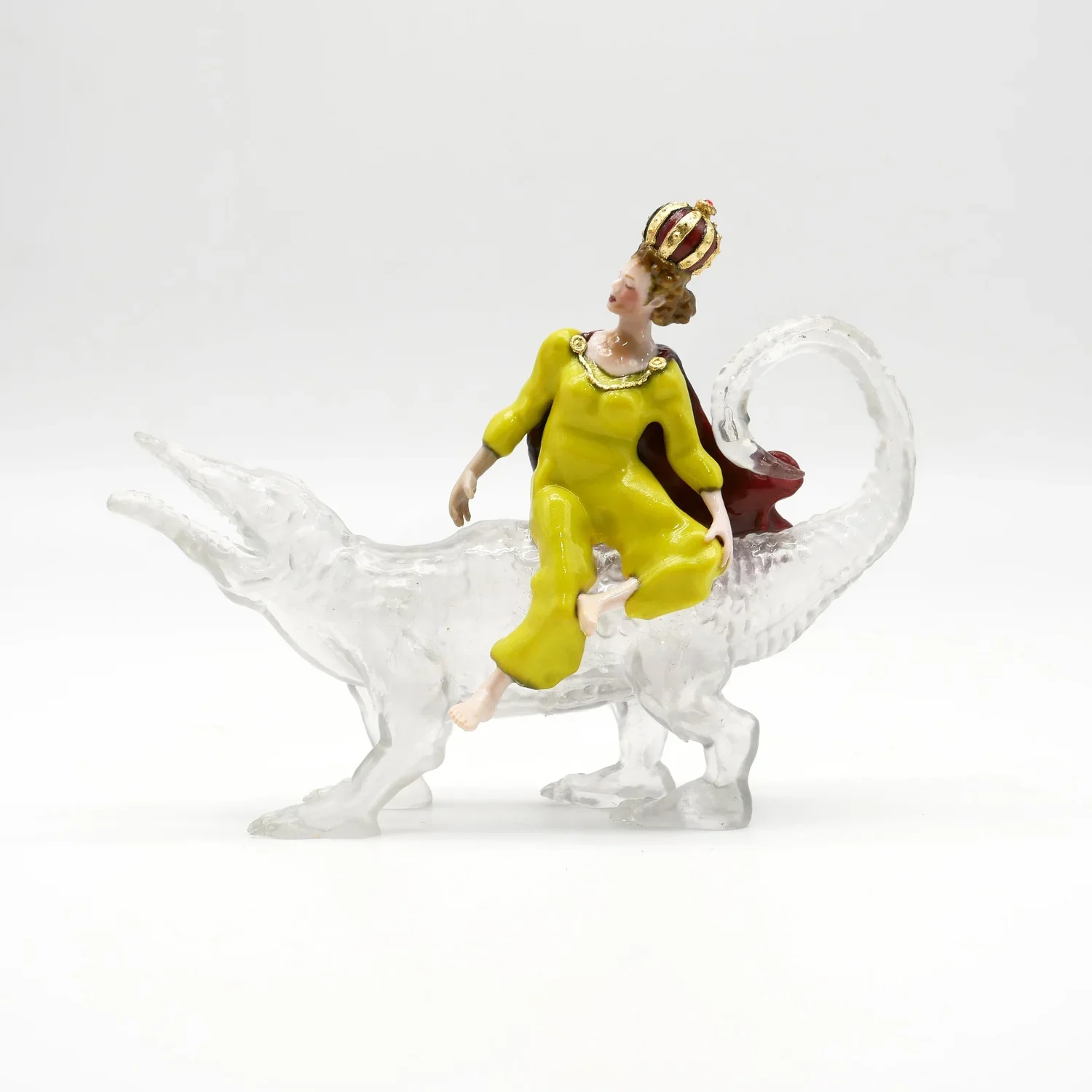
Finding Magic Turtle, Unpacking the Four Continents (2024)
One night all the Four Continent animals woke up drenched in sweat, unable to sleep. Turns out the AC was broken. There were loud CLINGS and CLANGS coming from the machine, they were all so, so tired yet couldn’t rest. In a massive group text around the world, they learned from the Elephant’s aunt’s cousin’s neighbor that their friend Magic Turtle, who lives faraway somewhere in Oceania, knows a thing or two about how to fix the AC. So they all embark on a journey to find Magic Turtle.
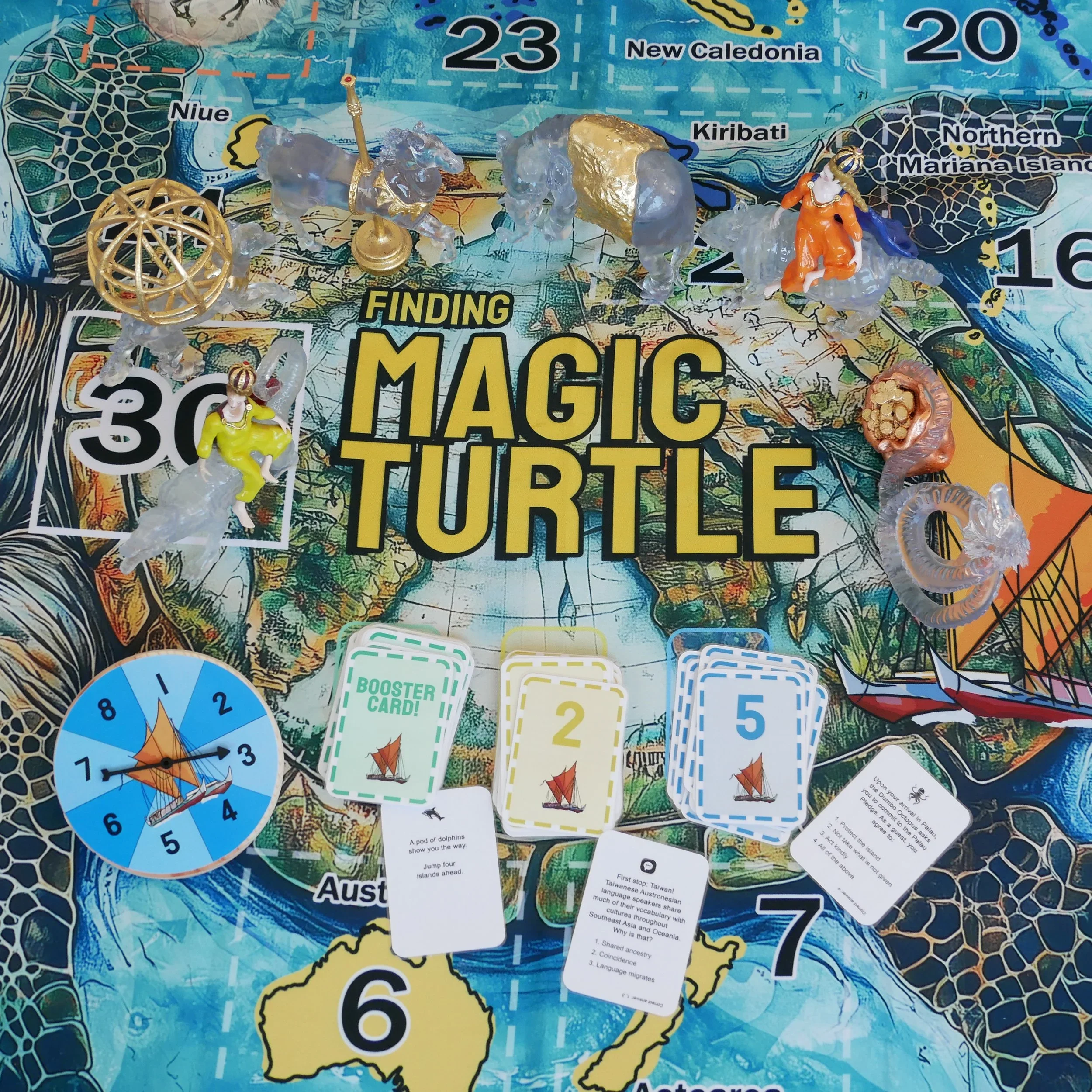
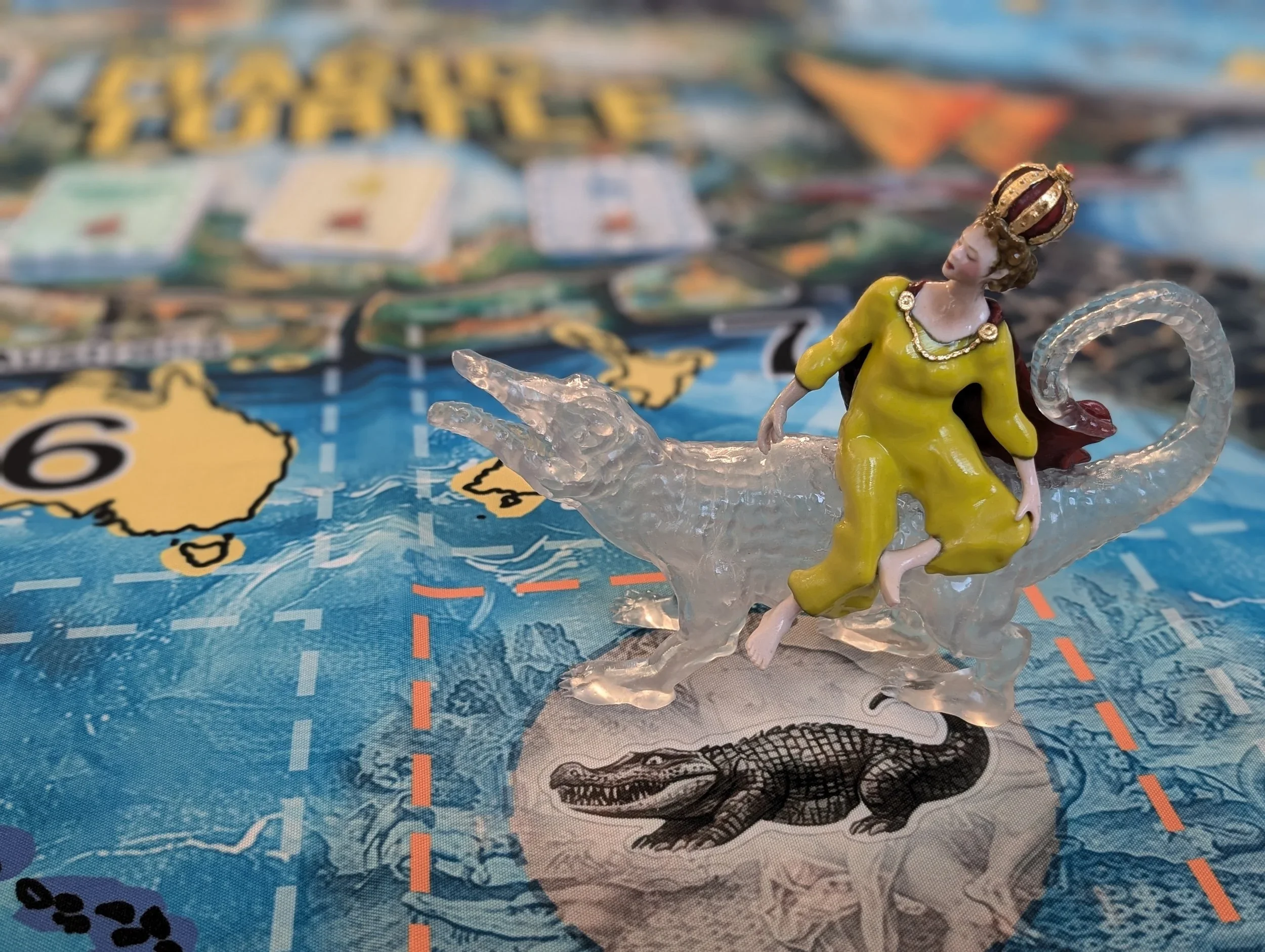
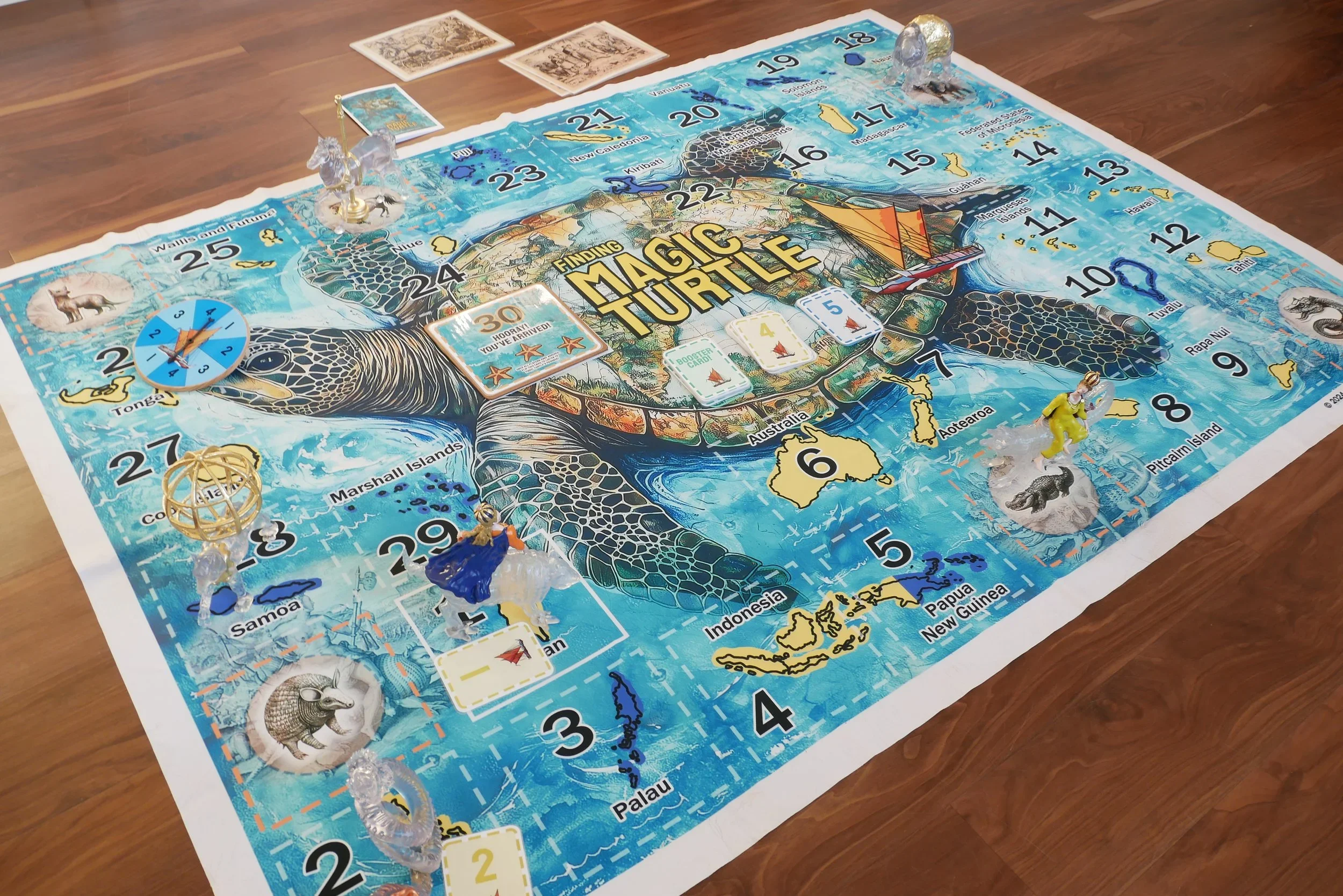
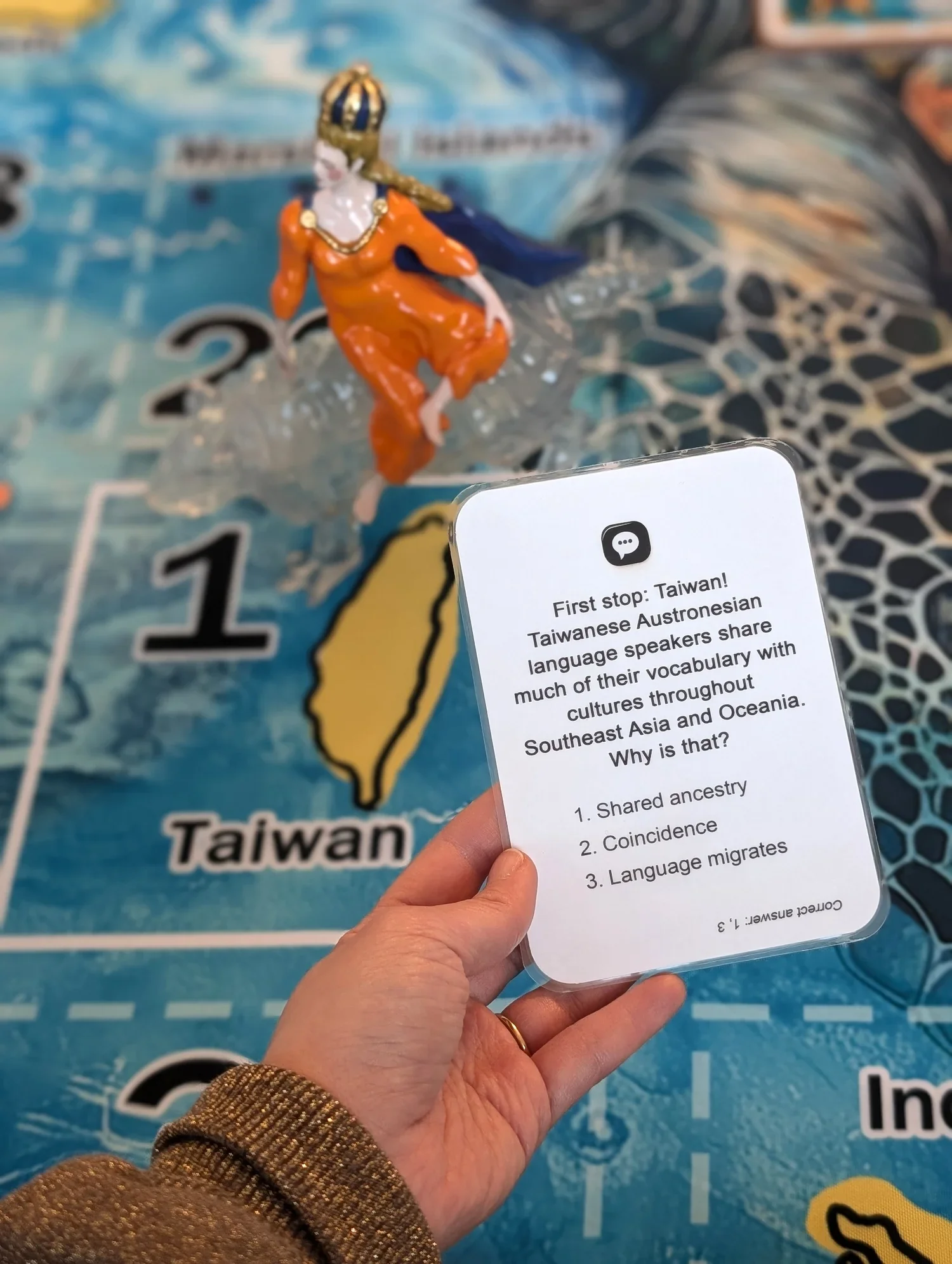
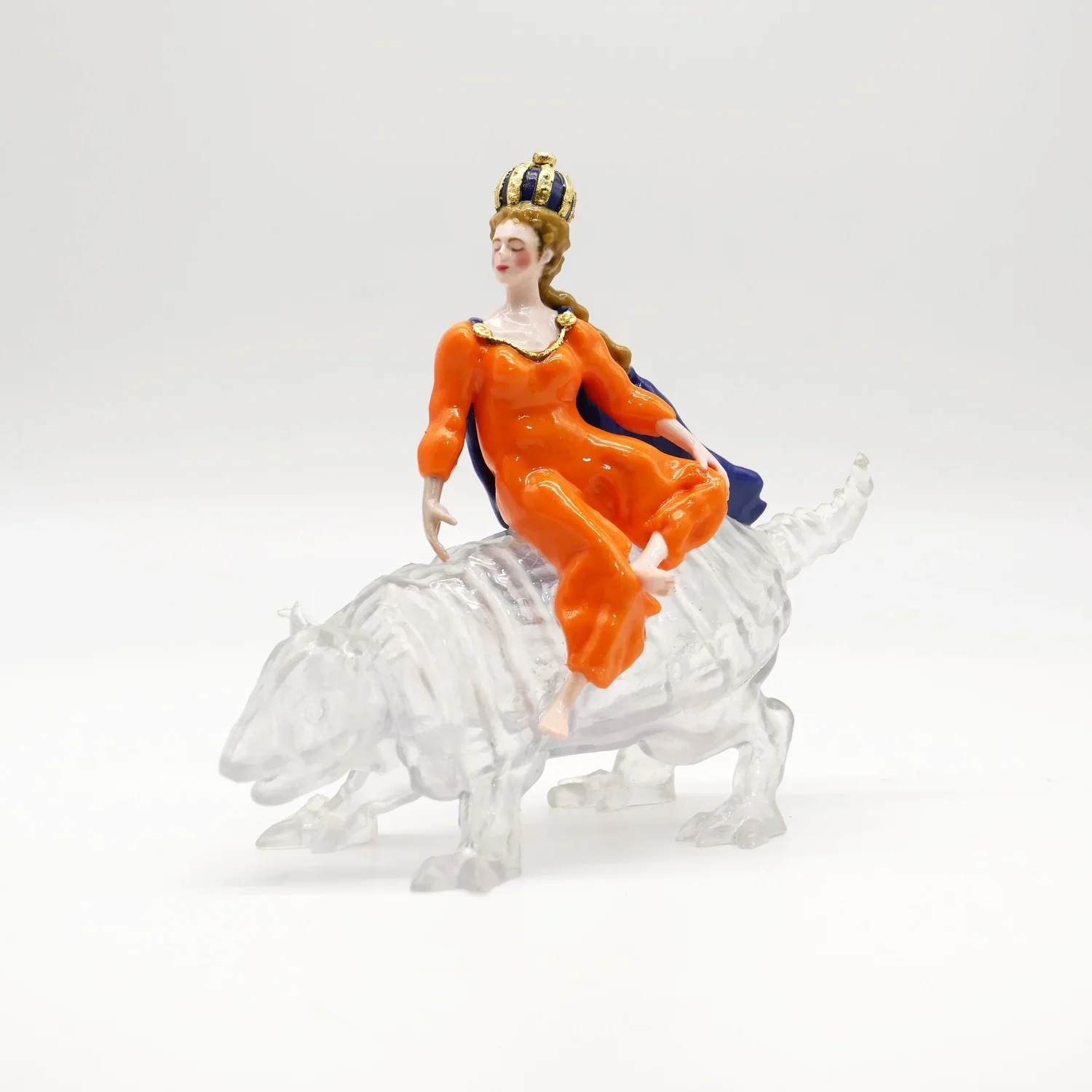
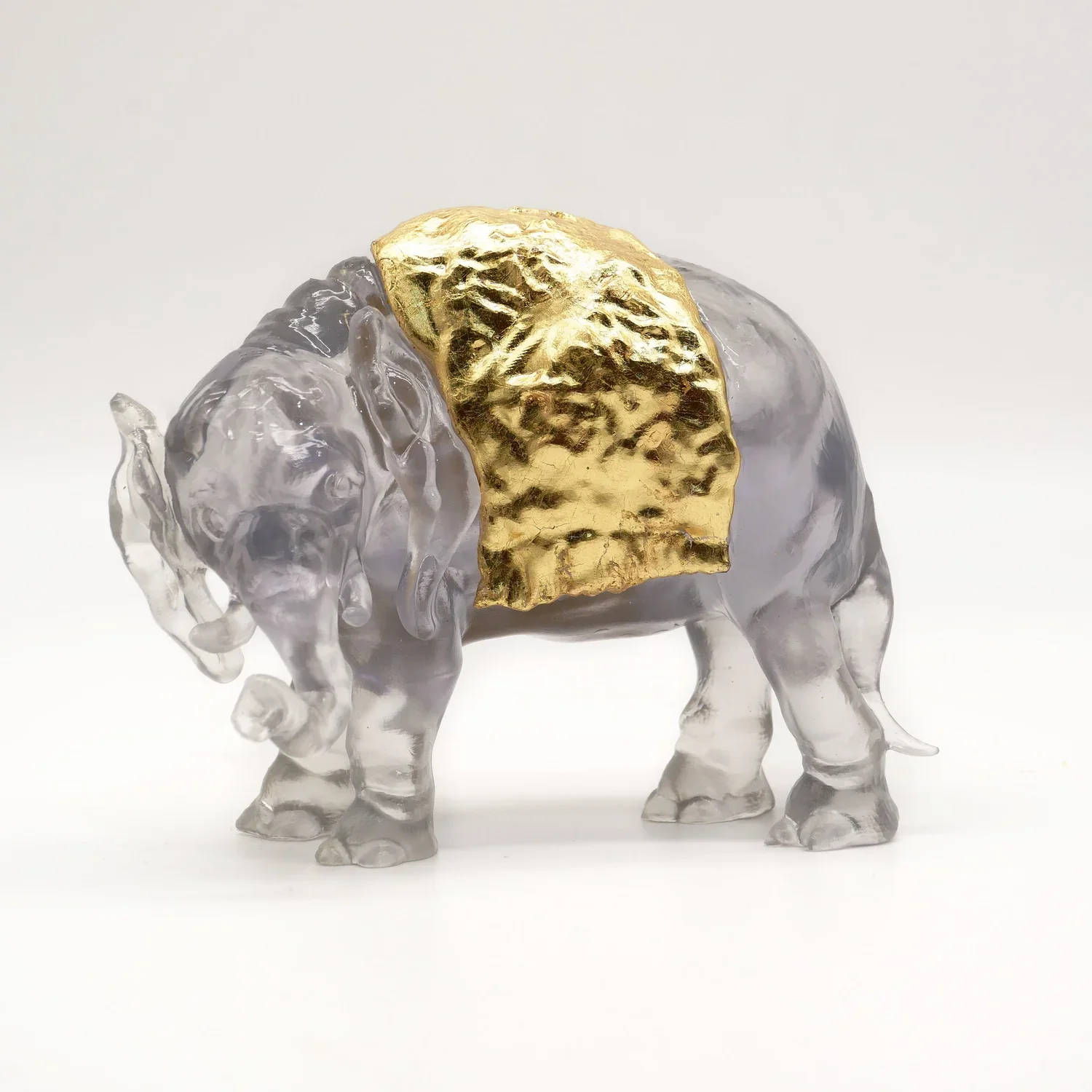
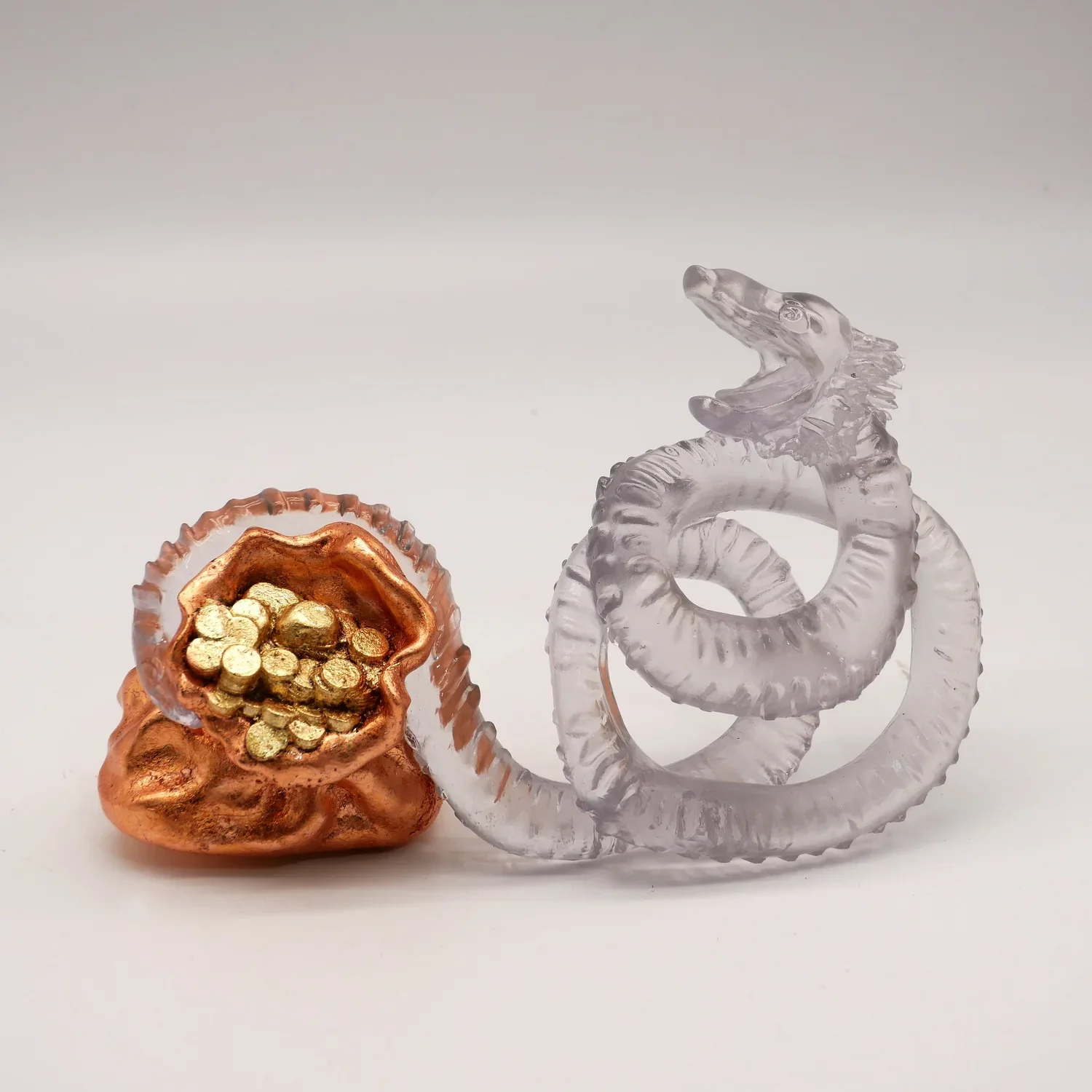
Drawing from this visual history that has impacted human-nature and intercultural relations, artists Beatrice Glow and Alexandre Girardeau used virtual reality sculpting and 3D printing to turn the animals featured in the historical prints into spectral figures liberated from the old historical prints. They become game pieces in the Finding Magic Turtle board game where the animals of the Four Continents visit Oceania. Through a game of trivia, players are introduced to contemporary cultural perspectives about the sea of islands while developing more care and understanding about the ecological realities of life in Oceania beyond the Pacific Rim. This is designed for small and larger groups of players to learn collaboratively while broadening shared knowledge.
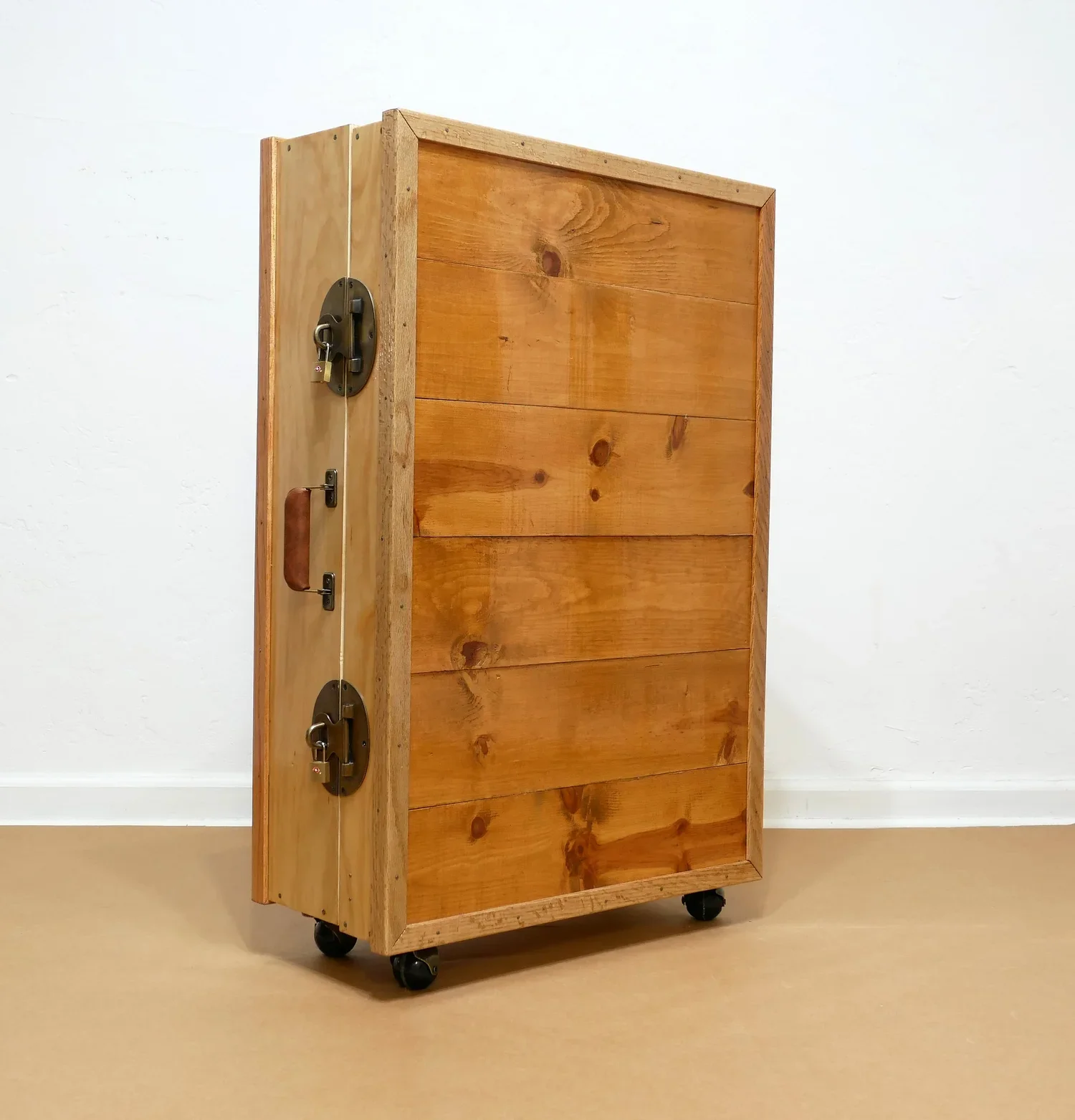
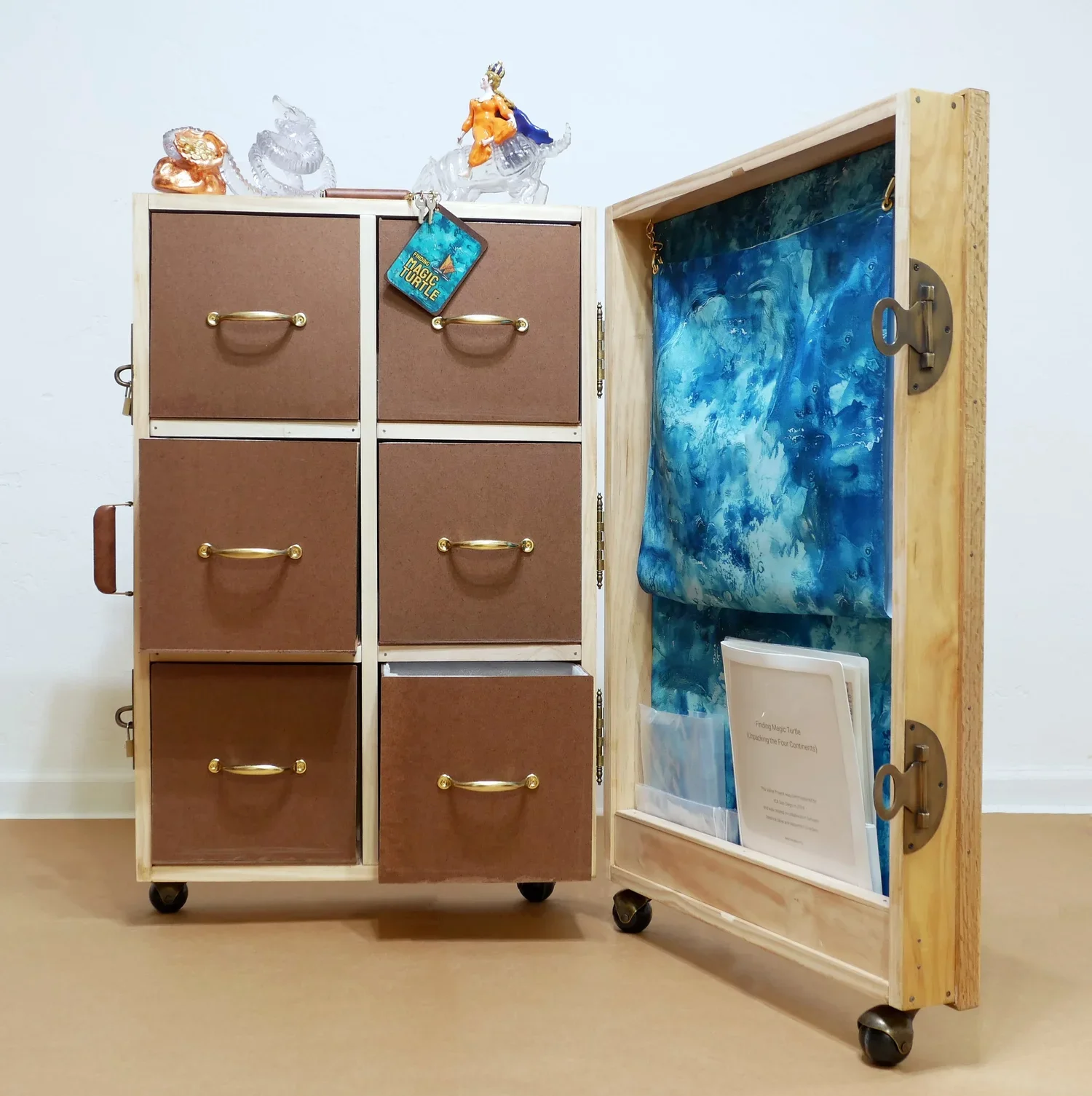
The Valise Project
This project was commissioned by ICA San Diego for their Valise Project that brings art education to the classroom and was created in collaboration between Beatrice Glow and Jacques Alexandre. The Valise Project is inspired by renowned 20th century French artist, Marcel Duchamp, who designed miniatures of his works and carried them in suitcases to share with others. Each valise provides students a complete experience: from seeing, discussing, and touching the art to creating works of their own. With curricular connections to math, language arts, social studies and science, the Valise Project offers a powerful interdisciplinary learning opportunity. Our teaching artist will bring a valise to your classroom (virtually or in-person) and lead a project focused on the valise in an interactive 2-hour session. The Valise Project is graciously supported by Nordson Corporation Foundation, California Arts Council’s Arts in Schools Program, and the City of Carlsbad’s Community Art Program.
The animal and human figures in this project were first created for the exhibition When Our Rivers Meet and were inspired by a dialogue with Tecumseh Ceaser (Matinecock, Unkechaug, Montaukett). Special thanks to Tecumseh Ceaser, Katerina Vo, Rebecca Klassen, New-York Historical’s Patricia D. Klingenstein Library, Kalie Granier, Damien Golbin, Stella, Sol, Marci Kwon and David Reilly and Jerry.
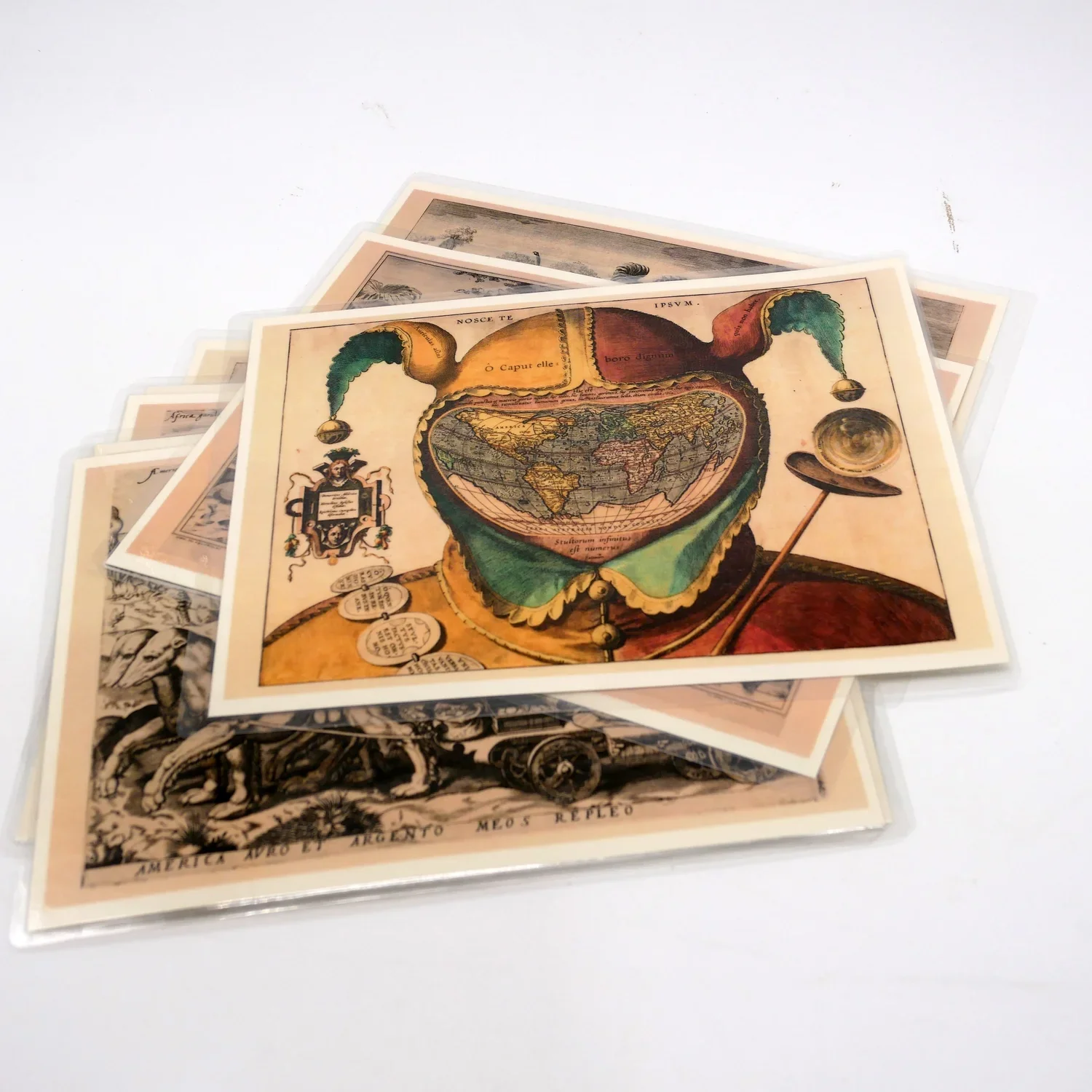
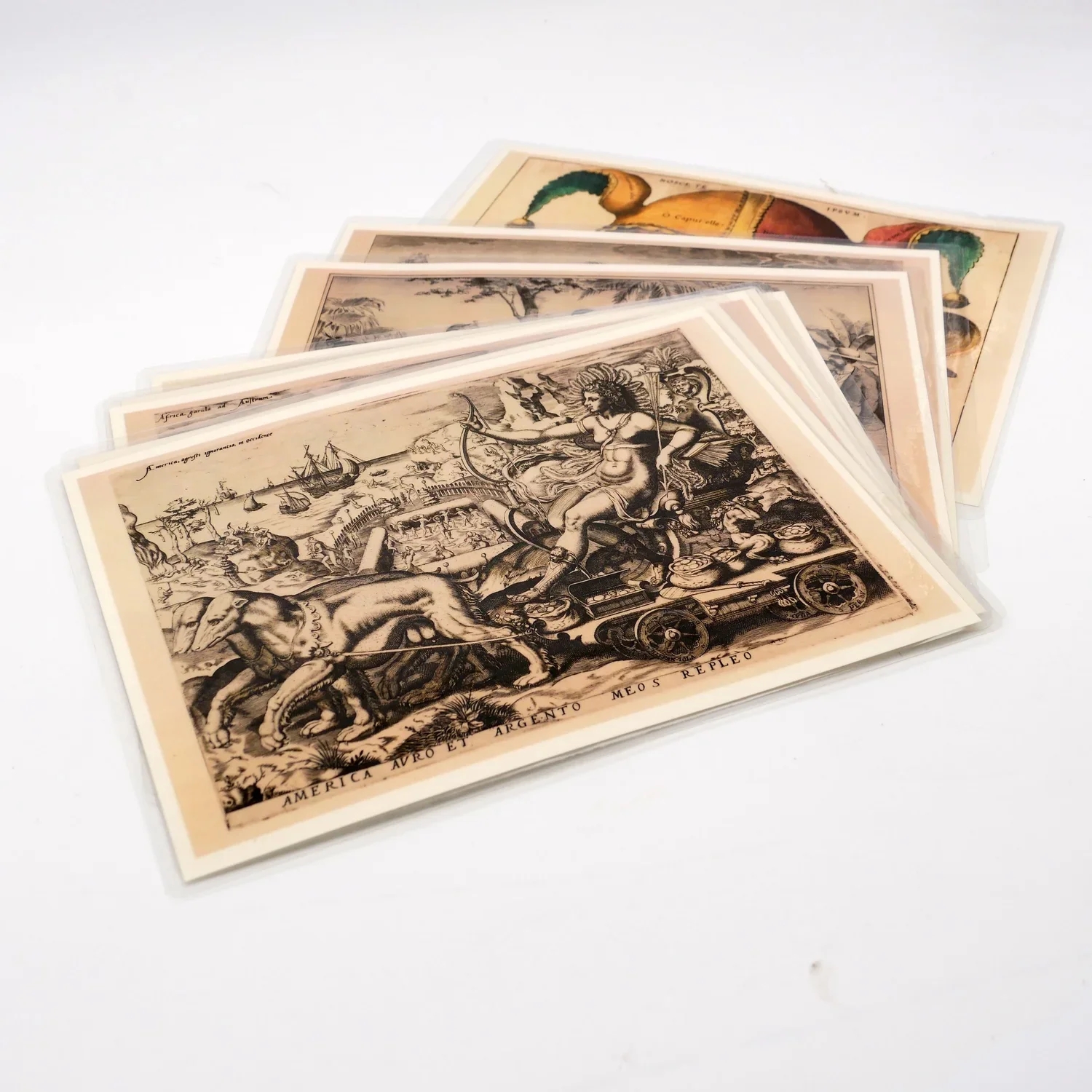
“Personifications of the Four Continents—America, Europe, Africa, and Asia—appeared in an array of media in Europe from the 1570s onward including printed maps, buildings, decorative arts, ceramics and more. Images of the Four Continents often imply a hierarchy, with Europe at the top. Sometimes they perpetuate negative stereotypes. At times, artists used Four Continents imagery to suggest the world’s subservience to Europe or to a specific nation.
How we classify continents has changed over time. As understandings of the world evolved, artists adapted personifications of the continents to different geographical ideas and cultural agendas. During the late 19th-century, Oceania was added as the fifth “part of the world.””
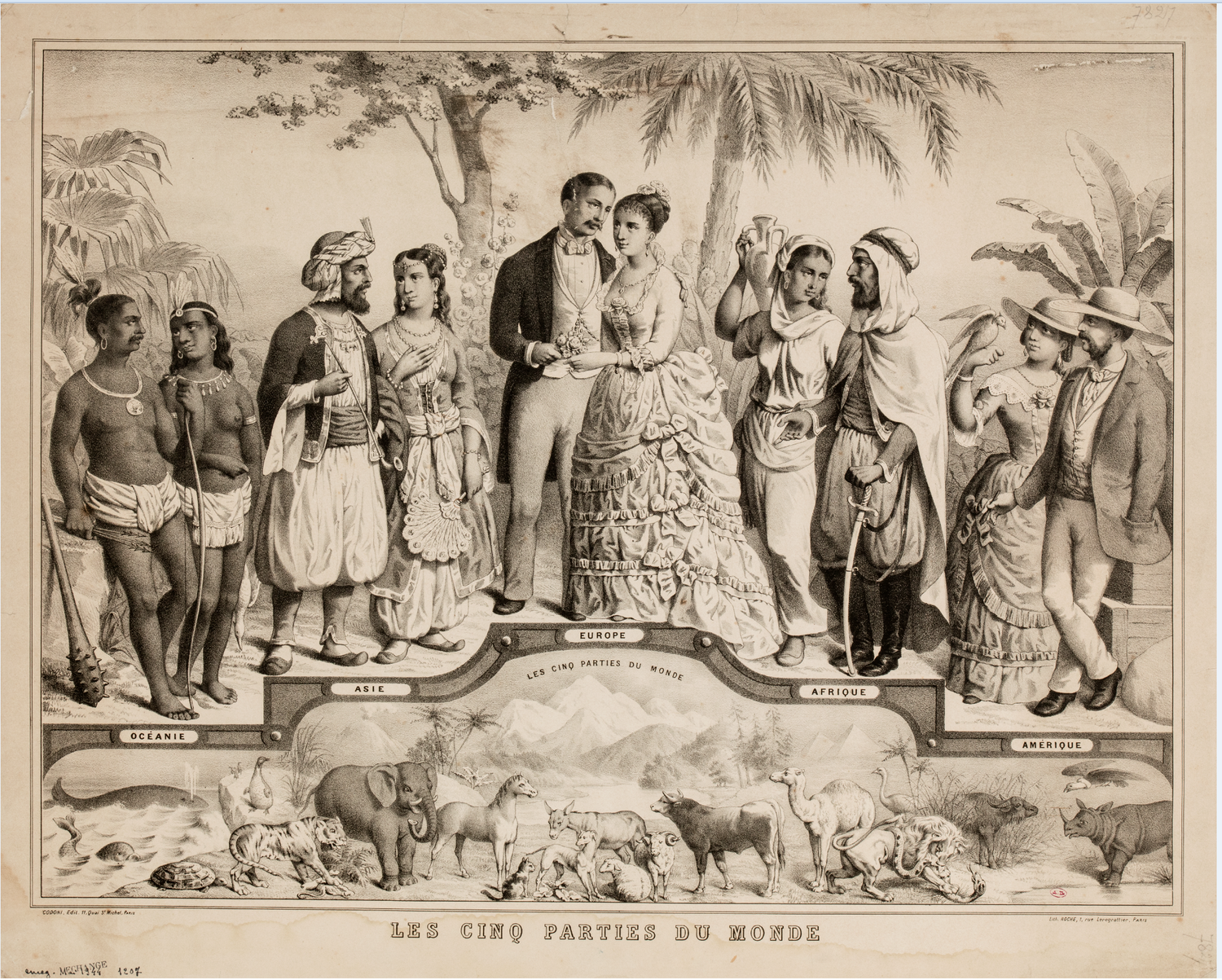
Lithographie Roche, printer; Codoni, publisher, Les Cinq Parties du Monde (Five Parts of the World), ca. 1885. Lithograph. Patricia D. Klingenstein Library, New-York Historical Society