What Is Chino? Memories and Imaginaries of Asian Latin America
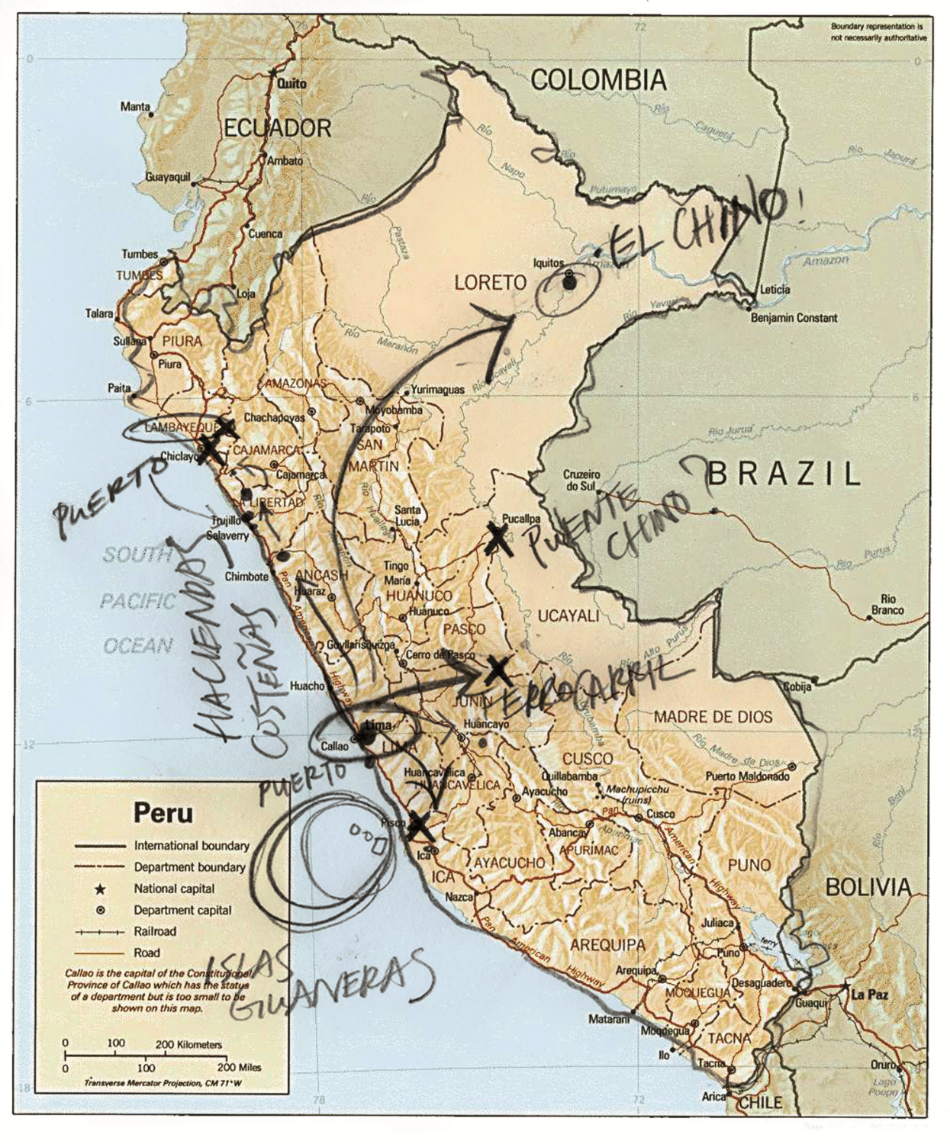
“Eight years ago I was told the story of two Chinese coolies who had escaped to the Peruvian Amazon, founded a village called El Chino, which means “The Chinese,” and begun a small tapioca business before vanishing mysteriously. I grew curious about what the Chinese were doing in South America, let alone, the rain forest. Two years later I moved from New York to Lima, Peru, to retrace the geography of nineteenth-century Chinese coolie labor as well as the imaginary of Asia in the Americas, given that Peru has the highest ratio of Asian Latin Americans. When I asked limeños for travel advice on the Amazon, several well-intentioned folks warned me of river pirates, reptilian predators, terrorist activity, drug trafficking, and other perils. Undeterred, I began mapping the escape route of the rumored coolies, who had fled harsh labor conditions in search of a road home to China. I then followed the various Chinese migration waves toward the Andes and the Amazon River Basin, weaving together migratory landmarks while documenting oral histories from elders. En route I resurrected memories from cemeteries, guano mines on the Chincha Islands, coastal sugar and rice plantations, and railroads that led into the mountains, until finally, I arrived by canoe to El Chino, where no Chinese live. (…)”
To begin, I want to tell you about the moth.
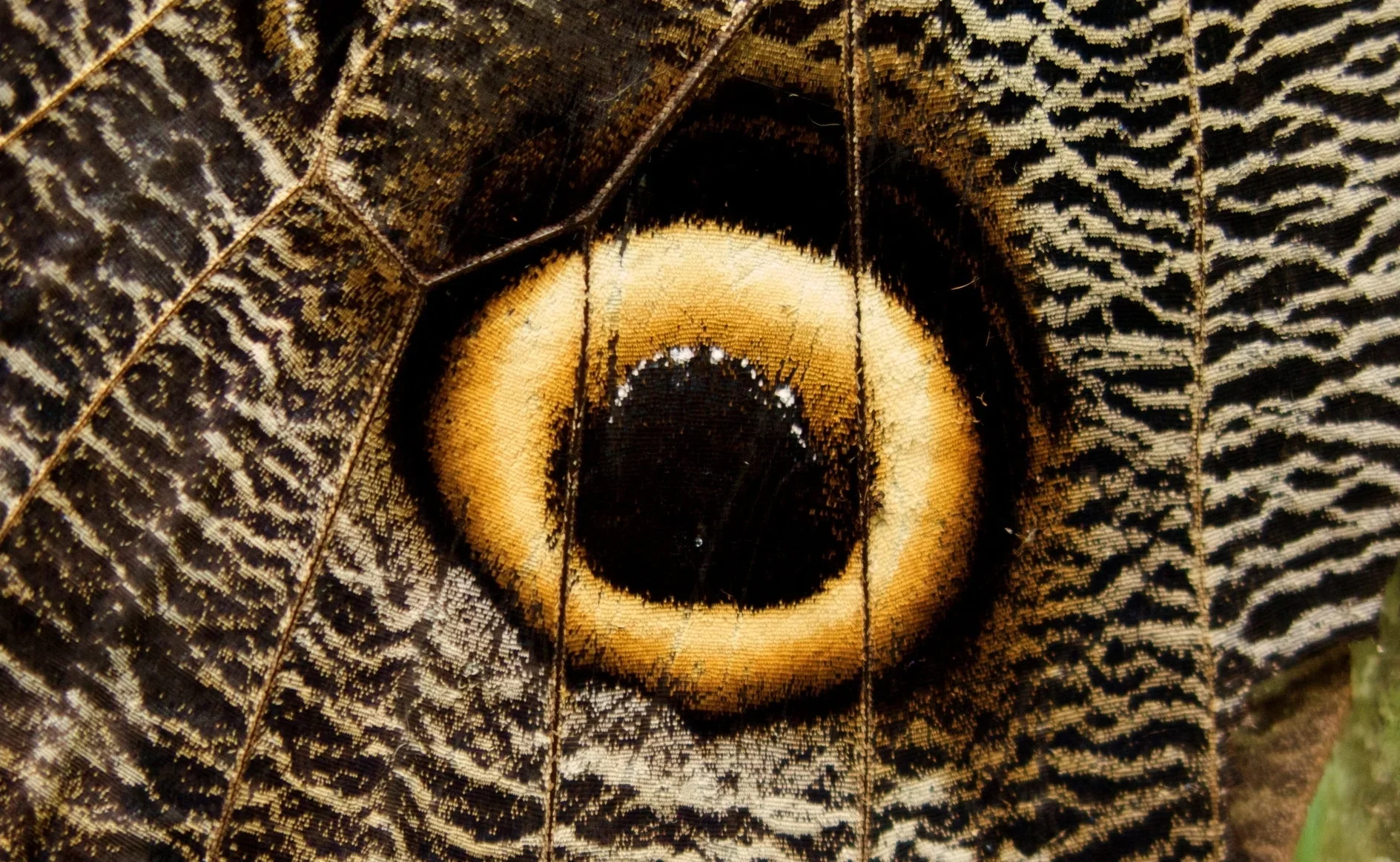
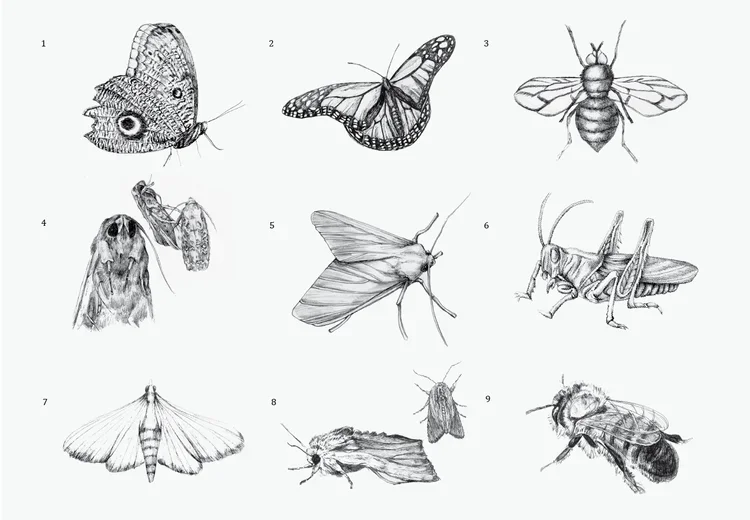
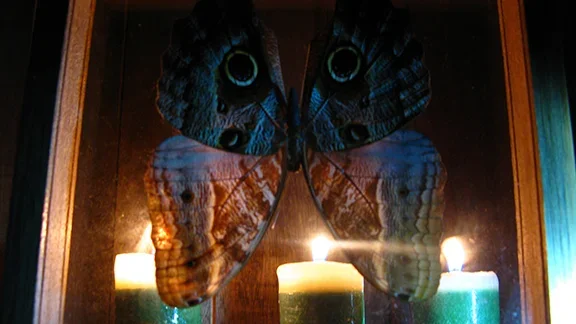
In my family, the moth is the messenger of death. When a family member passes away in Taiwan, before receiving a phone call about the sad news, we receive a visitor moth in our house in California, United States. Because of these messengers, I have traveled through North America, Asia and Latin America, in the last few years, learning about my family in the diaspora. On this road, I was guided by the moth — and then by grasshoppers, bees, blue flies and the "taparaco" owl butterfly —, to traverse the Andean highlands, the Amazons, the deserts, sites of slave labor such as sugar plantations and guano islands, as well as carry out detective work in cemeteries.
I documented this journey retracing coolie geography in a multiplatform project titled that can be experienced as a trilingual publication, lecture performances, a migratory museum, video art and oral history interviews in order to fully explore how family ties survive geographical distance, transient spaces between cultures — and sometimes even death.
This experimental film traces the journey through landscapes where history whispers through old family albums of the descendants of the original coolies and migrants from Asia to Peru. This seven-part “Taparaco Myth” video rewinds six-generations back via a journey through Peru that embarks on retracing the collective memory of coolie geography into forgotten plantations, railroads, guano islands, cemeteries, oral tradition, and even into a village in the Amazonian Rainforest called "El Chino" - where no Chinese live. The fragmented narrative of migrants is embodied within the romantic notion of a lone figure wandering in the ceaseless cultural, geographic and mystical landscape composed of meditation on those spaces where history’s hauntings persist within today’s realities.
Editing, concept and camera by Beatrice Glow with the support of Colectivo Zoom and Vasco Pimentel
Music: Pauchi Sasaki; “Bajo el Sol Loretano”, film score used by the first filmmaker in the Amazons, Antonio Wong Rengifo; Tibetan Chant.
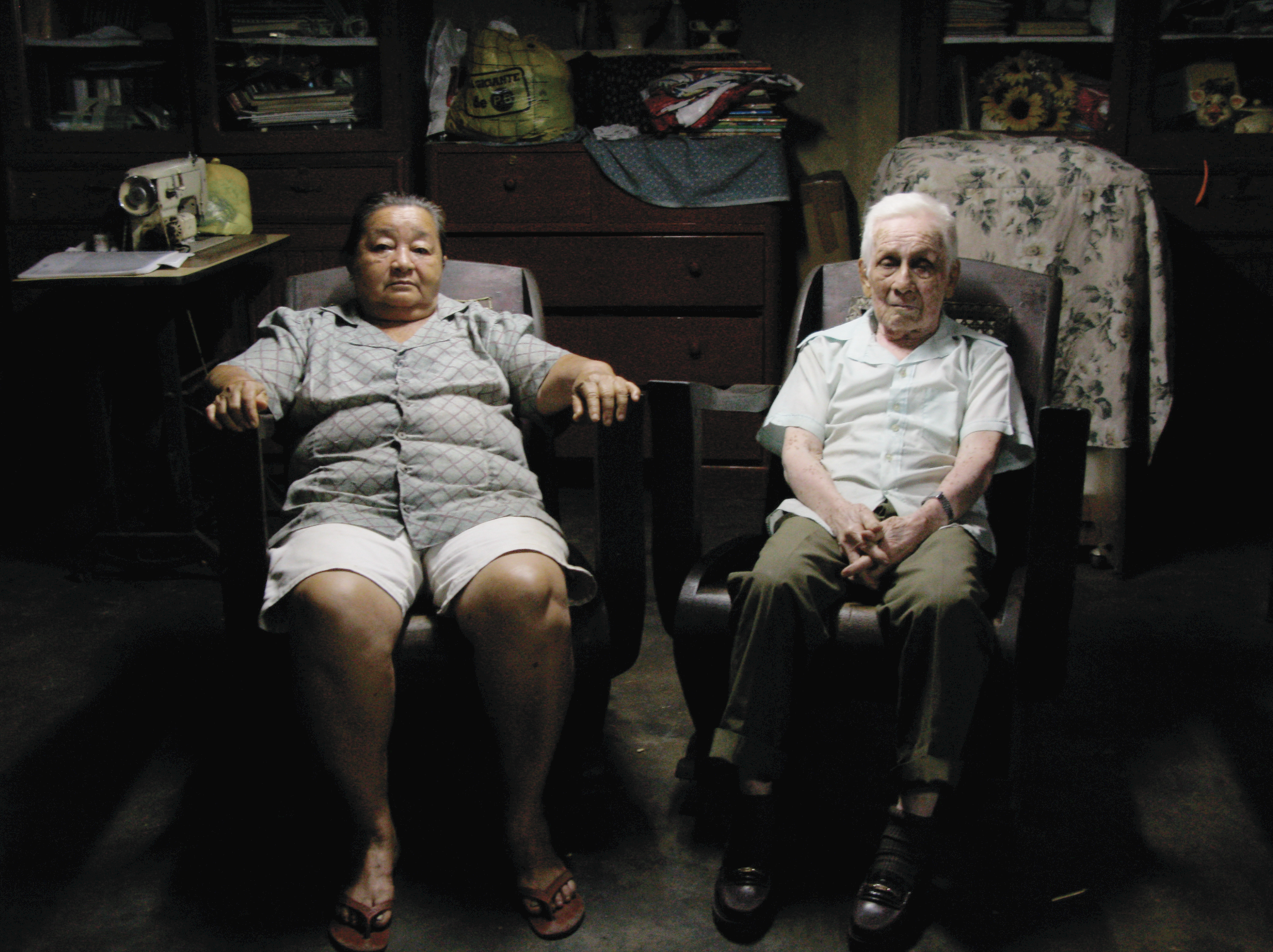
Conducting oral history interviews played a major role in piecing together the fragmented diasporic experience. I got to meet and interview Chinese-Peruvian elders as I Retraced Coolie Geography. I remember Alfonso Shiokey Leon Jho recounting the horror of Chinese workers getting stirred alive into boiling animal fat in a soap factory to Marco Farfán revealing a Chinese grandmother in his Afro-Peruvian lineage.
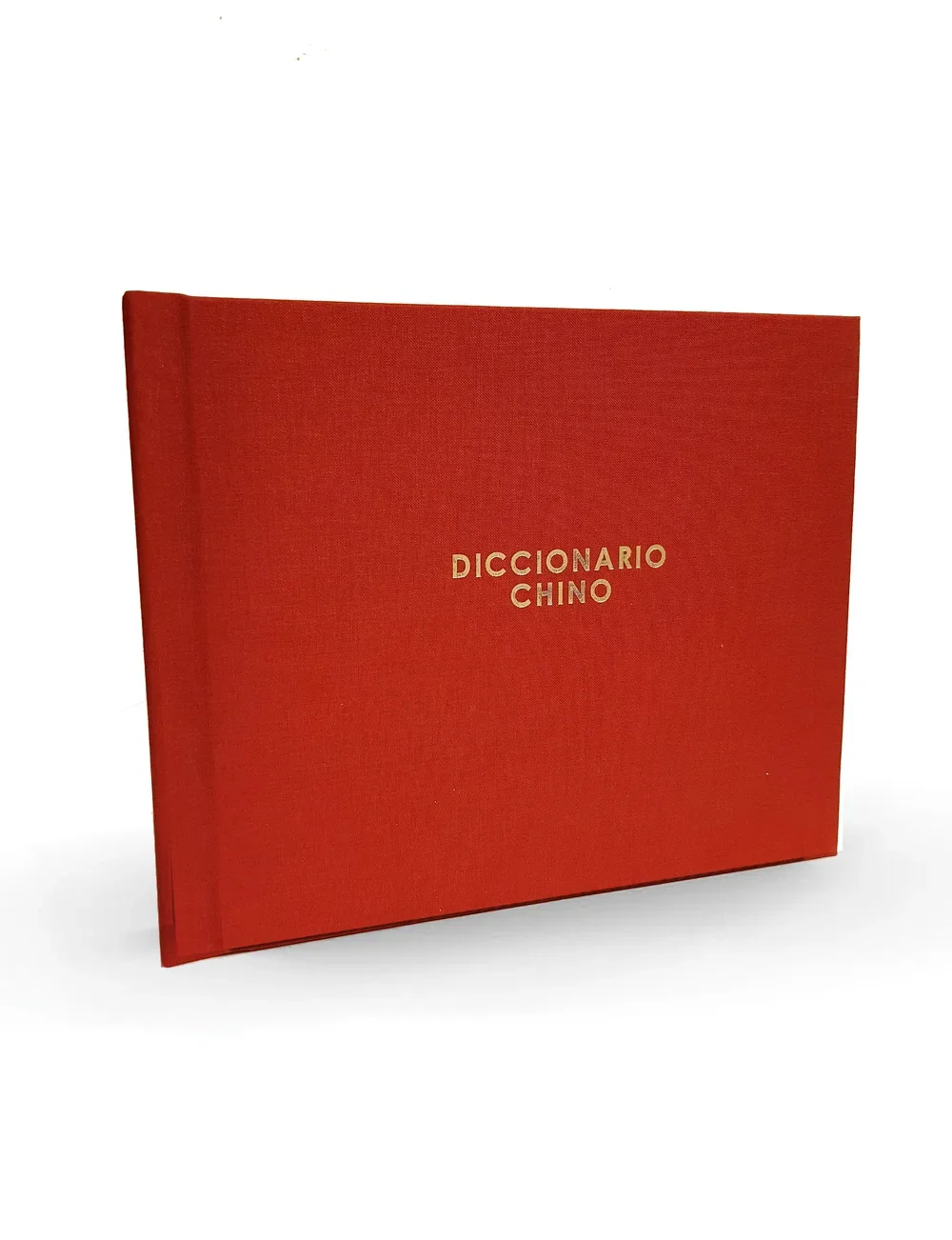
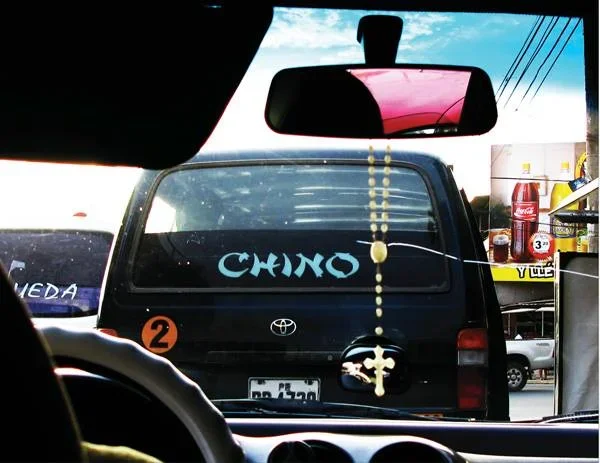
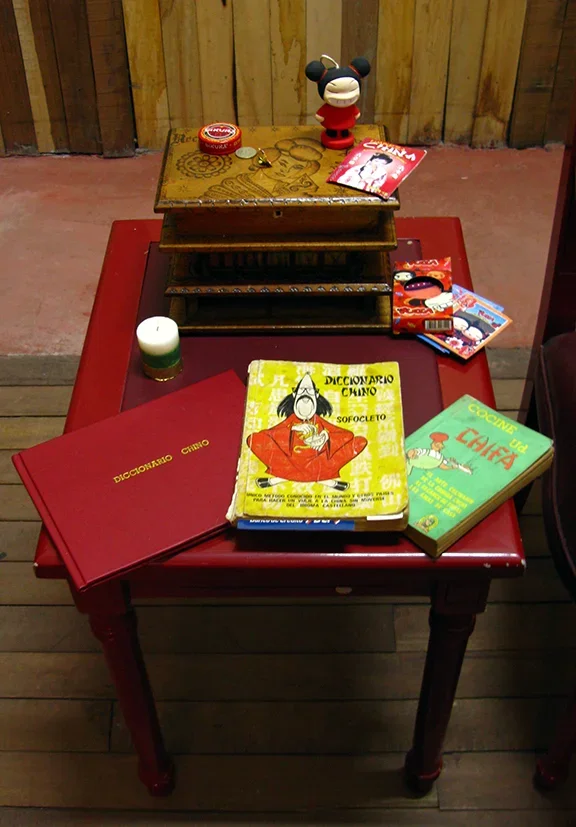
There is a plethora of ways to use the word “chino” (Chinese) in colloquial Latin American Spanish. While "chino,-a" often refers to a person with indigenous and or Asian physical characteristics, depending on context it can also reference orange juice, cannabis, curly blondes, children, a gaucho’s wife, fifty cents and even public figures. Through the folk etymology of the word chino, Diccionario Chino delves into the historical realities of Asian migration to Latin America, coolie geography and the depth of Latin-Asian cultural syncretism.
“Spanish Language Lesson: How to speak Chino for the Americano Speaker” was a lecture performance on how to speak Chinese using Spanish, thus revealing the folk etymology of the word “chino” as well as the depth of Latin-Asian cultural syncretism embedded within the local culture. There is a plethora of ways to use the word “chino” (Chinese) in colloquial Latin American Spanish. While "chino,-a" often refers to a person with indigenous and or Asian physical characteristics, depending on context it can also reference orange juice, cannabis, curly blondes, children, a gaucho’s wife, fifty cents and even public figures. The lecture delves into the historical realities of Asian migration to Latin America, coolie geography and folk etymology.
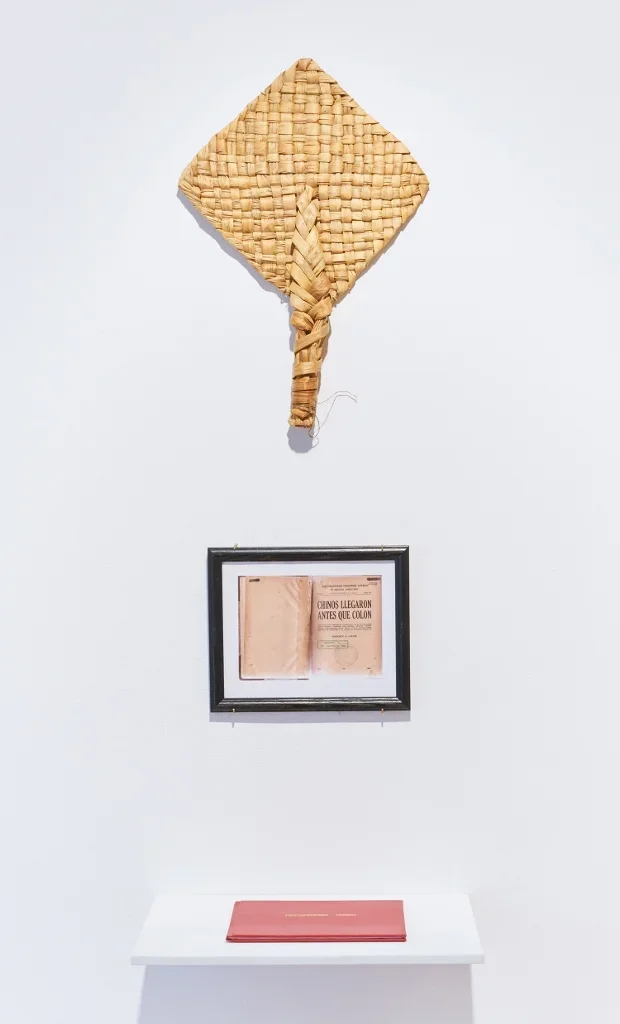
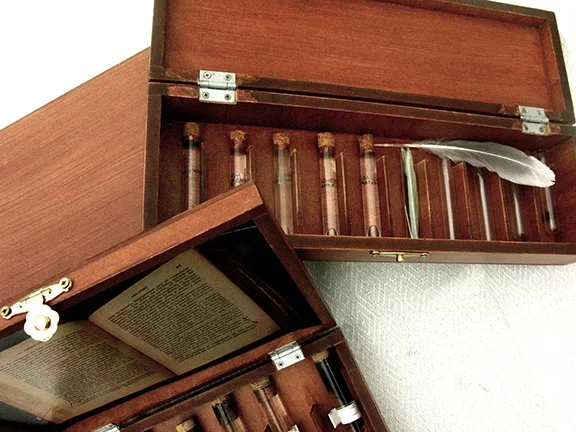
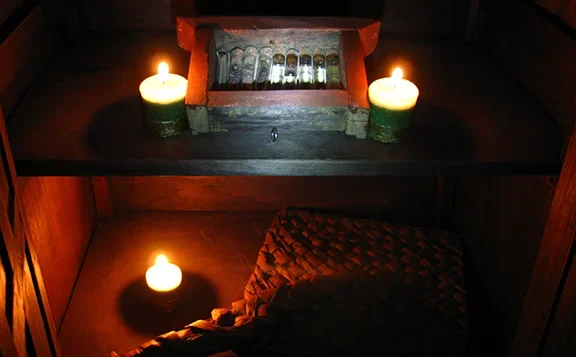
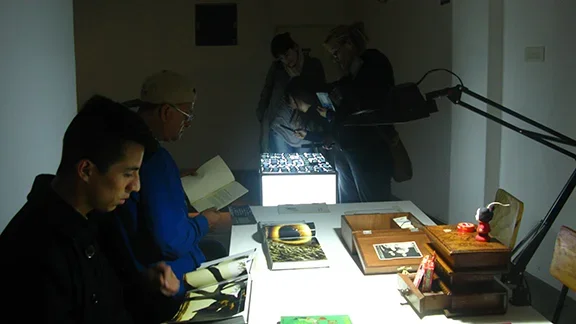
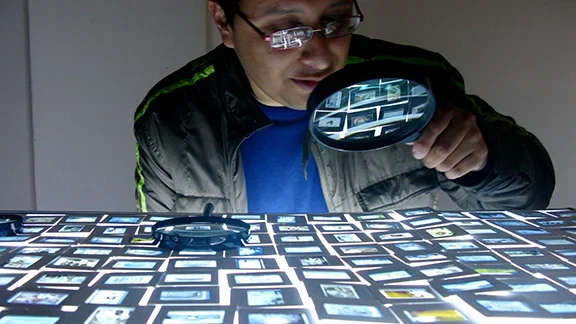
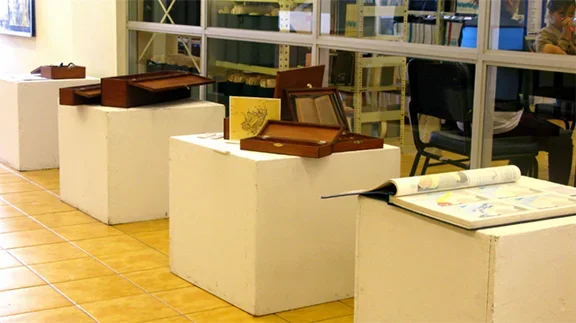
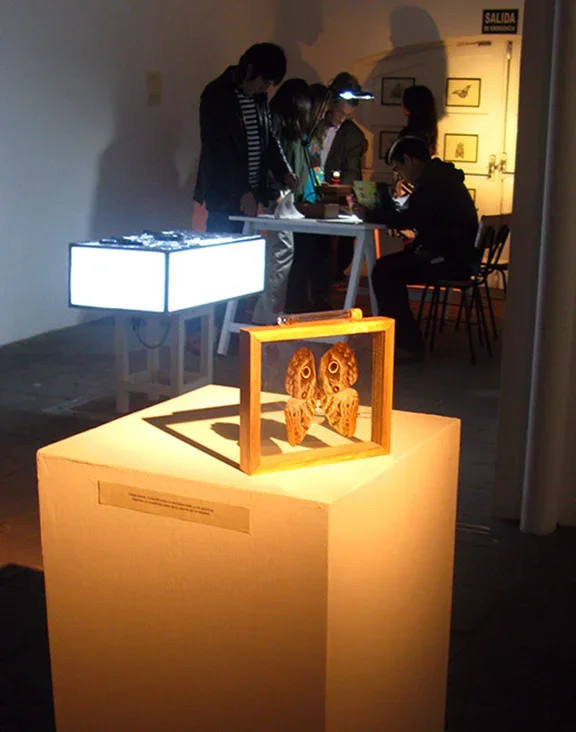
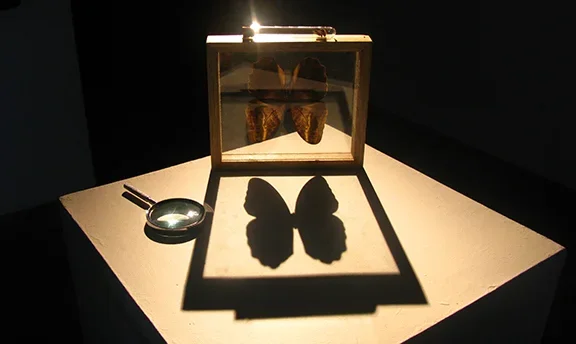
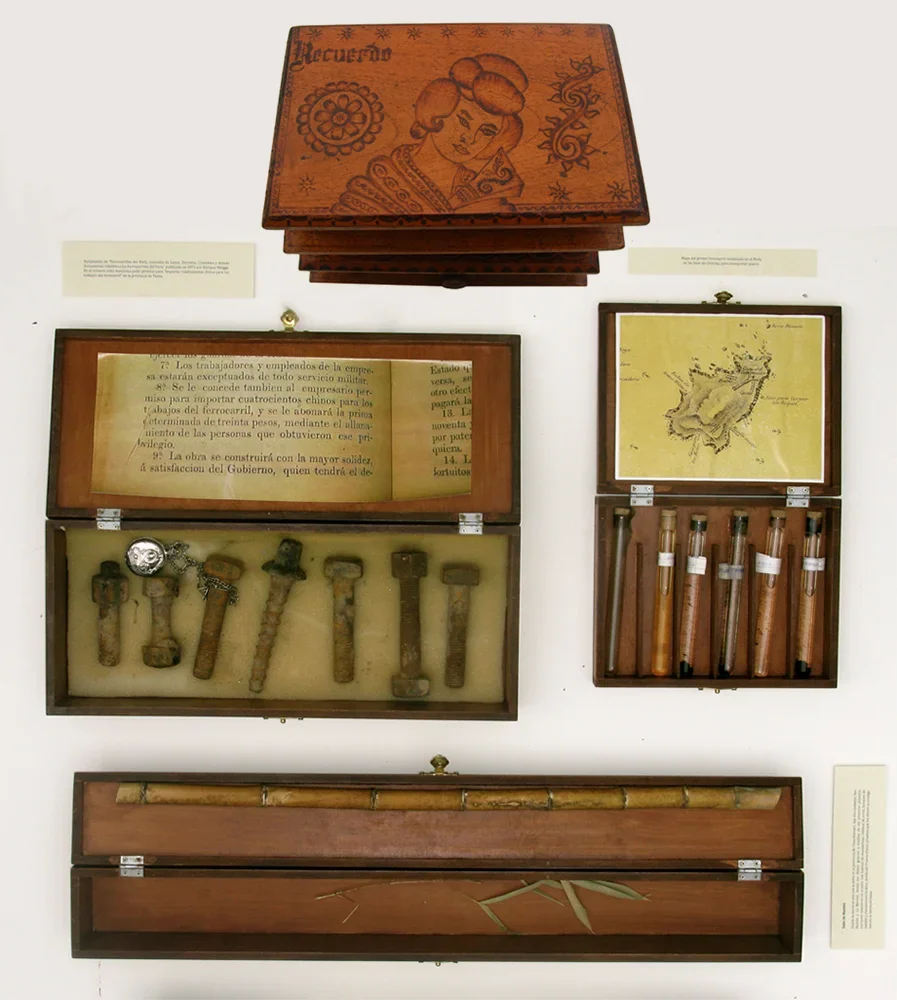
The Migratory Museum was a traveling archive of found objects and historical documents that documented the journey of Taparaco Myth, a two-year performance retracing the escape route of a Chinese coolie. A sample of the inventory list includes a preserved taparaco moth, the body of a moth that died on my navel after an ayahuascan ceremony in the Amazons, a family tree from the Tang dynasty to Iquitos, bamboo stalks and ginger roots from Chanchamayo, abandoned railroad screw spikes from Ticlio, a found jewelry box with a “chinita” wood carving, and a Diccionario Chino.
The Installation traveled to La Galería Enlace-Arte Contemporáneo, Lima, PE (2009); La Pontifica Universidad Católica del Perú (2009); Centro Cultural El Eje, Bogotá, CO (2009); Museo de Arte de la Universidad Nacional de Colombia (2009); Elizabeth Foundation for the Arts, New York, USA (2018).
To the left is the installation view at "Magical (un)Real: Entranced Land" at Momenta Gallery 2016 curated by Esperanza Mayobre and Daniel Greenfield Campoverde

The journey was made possible with the generous support of the Fulbright Commission as well as Colectivo Zoom's Fernando Javier Castro Villarreal(Antropólogo), Jessica Coronel Villarreal(Trabajadora Social), Joel Lozano Ramírez (Antropólogo), Gabriel Salazar Borja(Historiador), Helder Solari Pita(Antropólogo), Paola Villavicencio Núñez(Antropóloga).