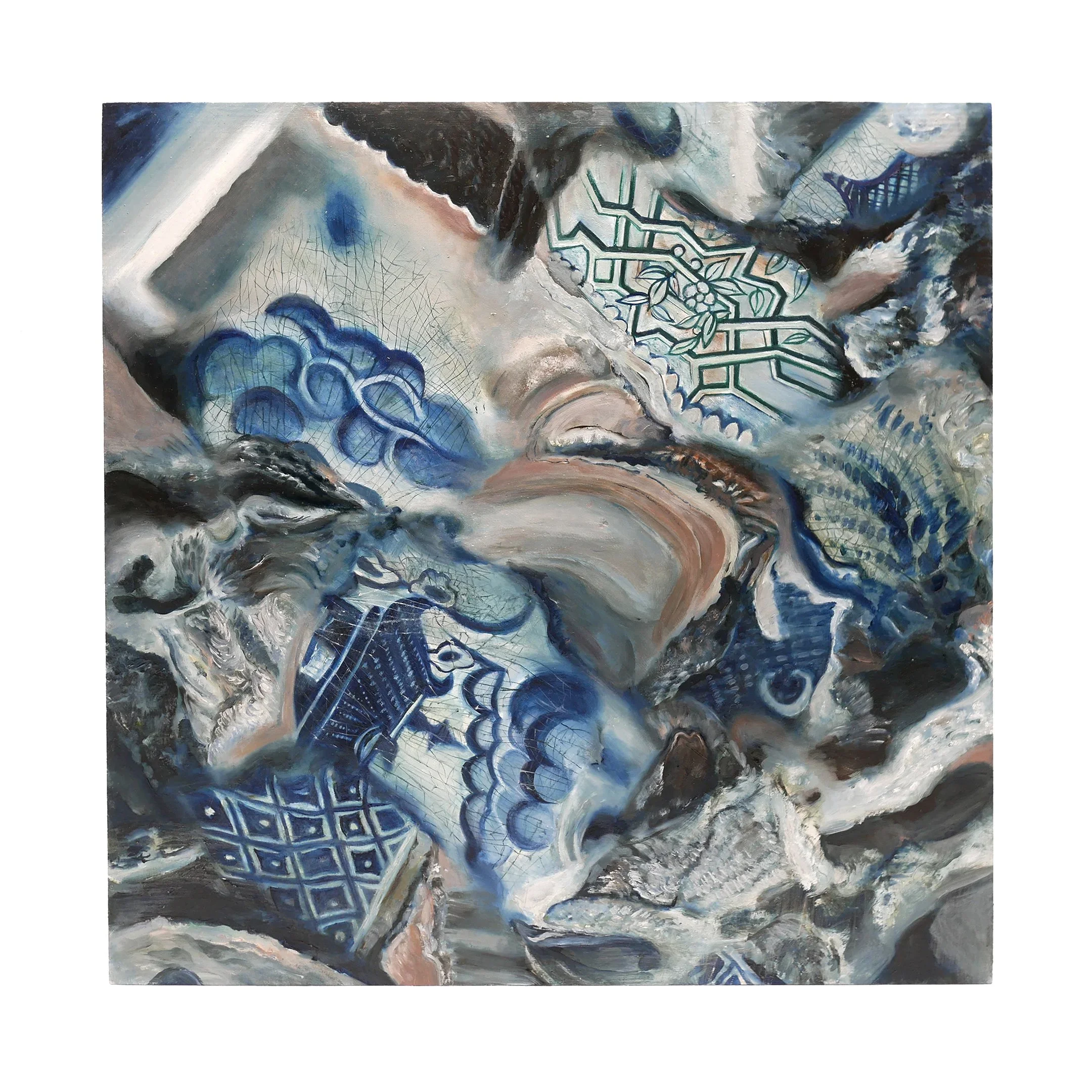
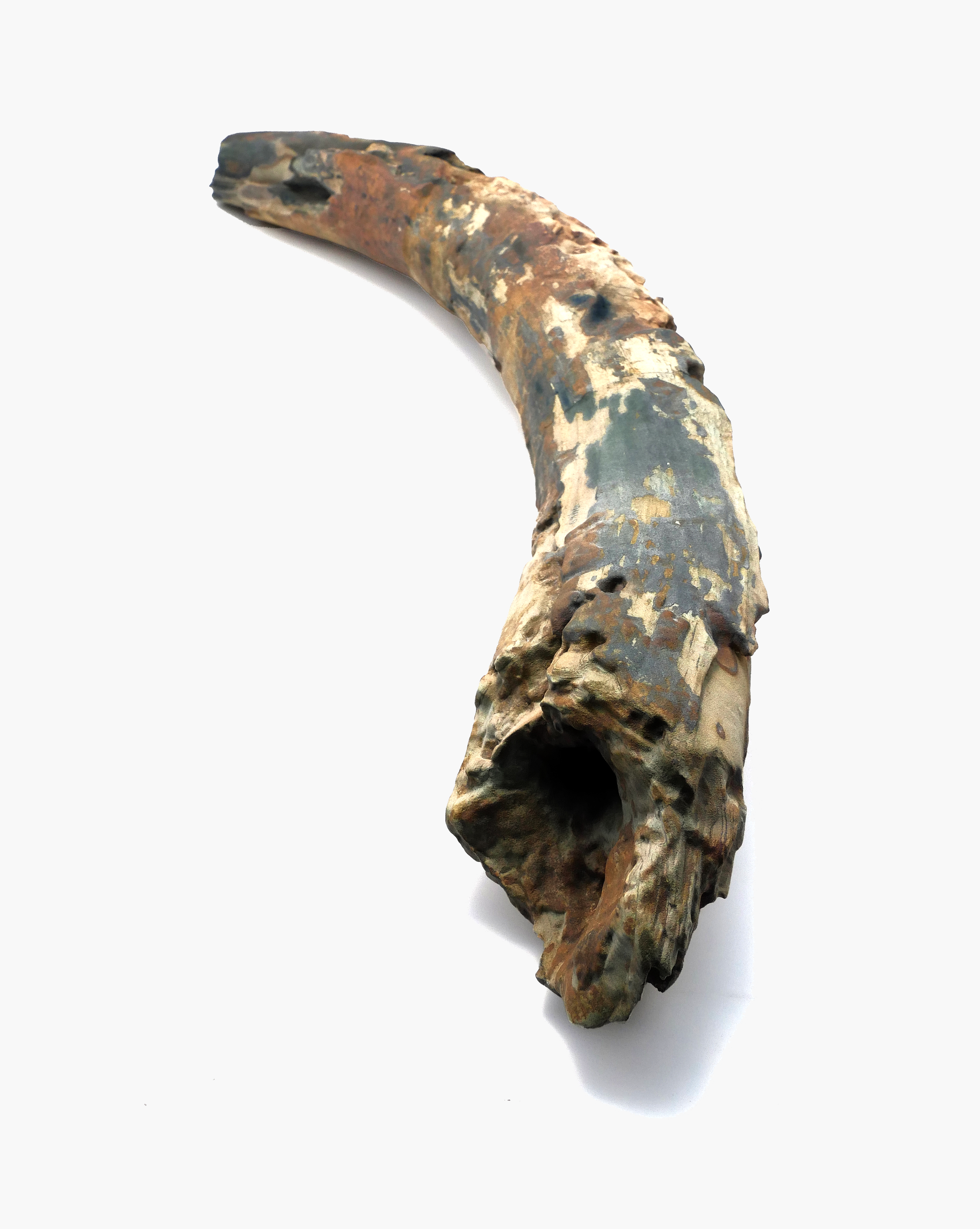
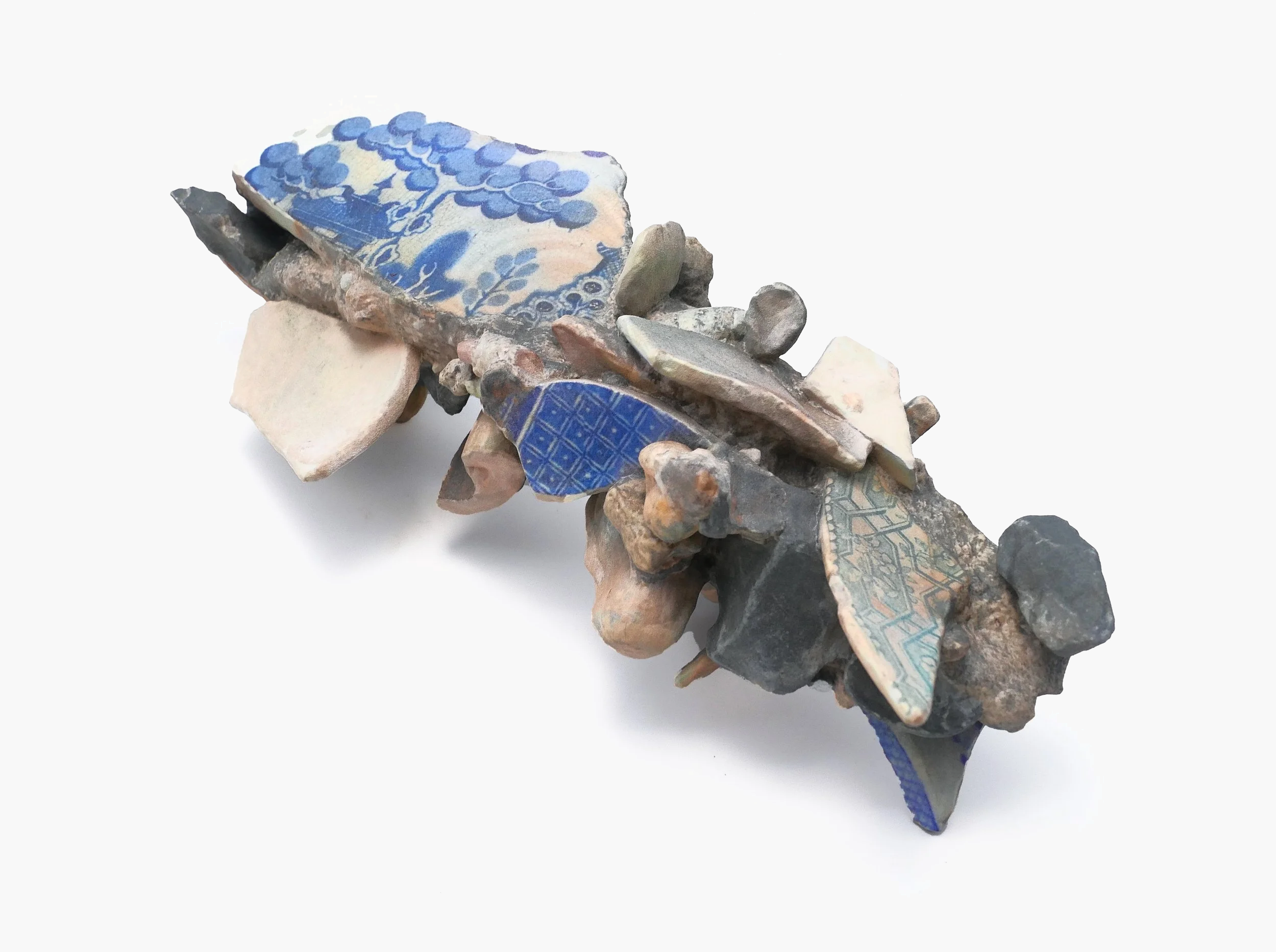
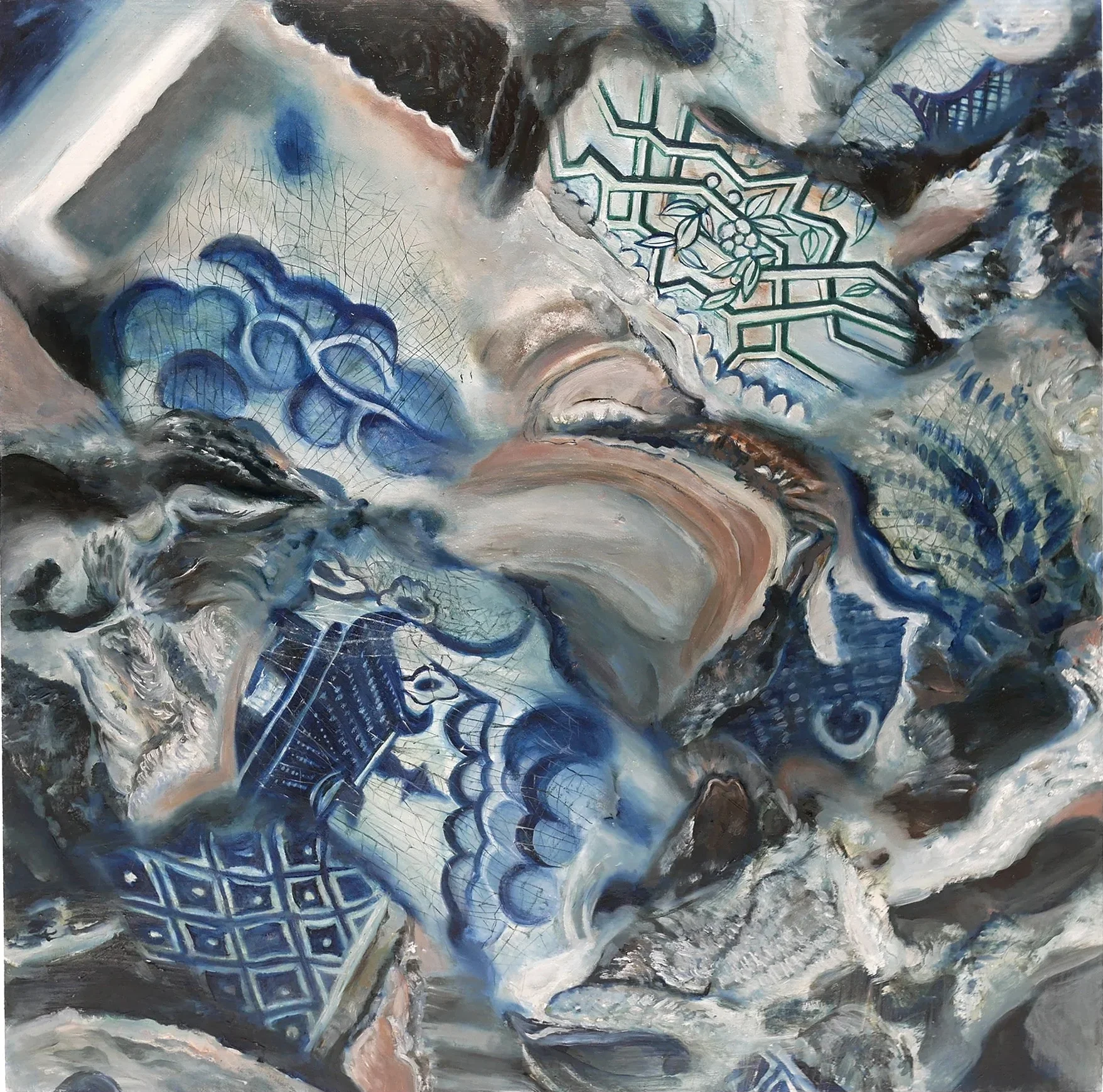
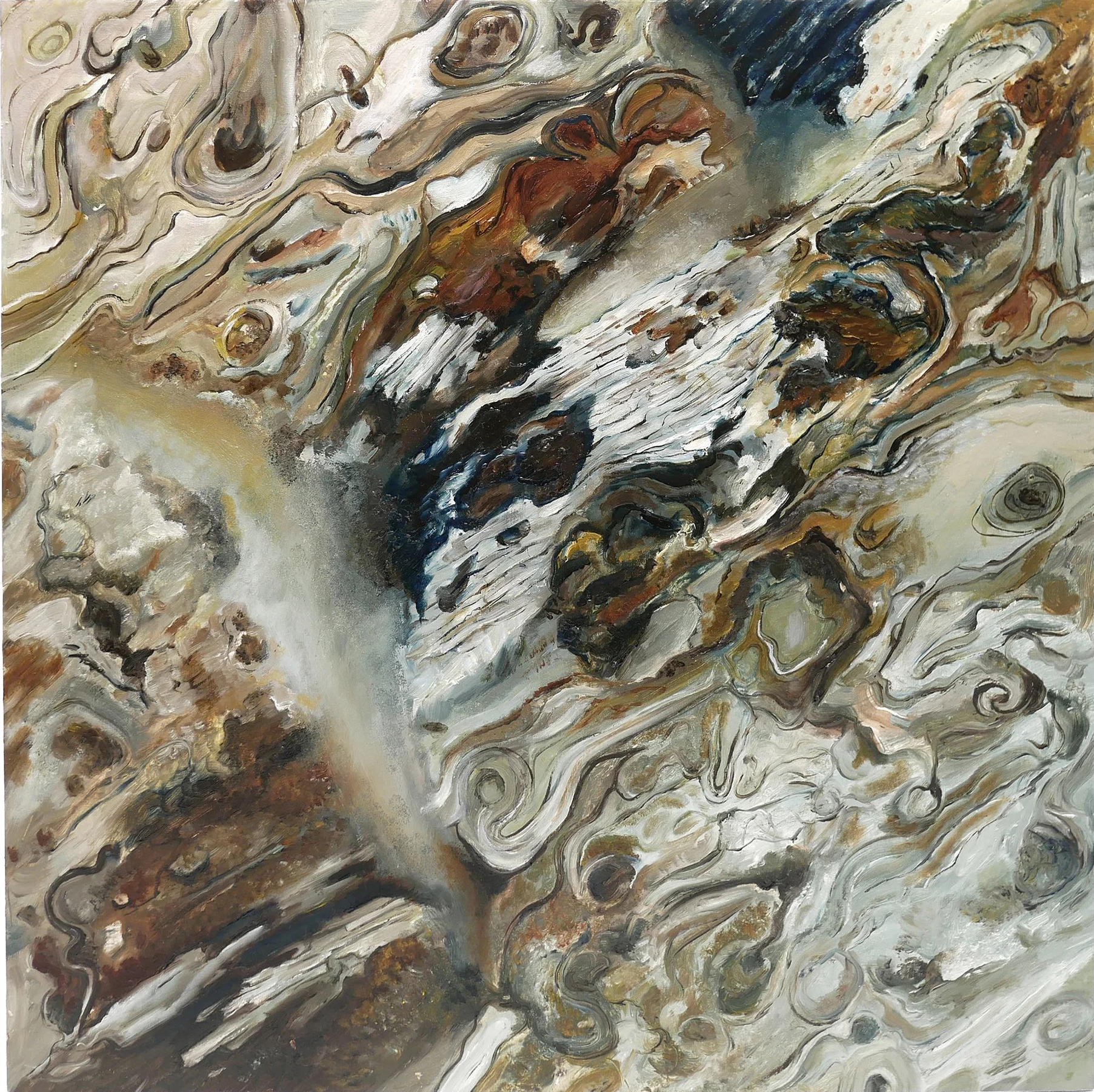
Textures of Time (2026) is a body of work including video, paintings and sculptures that reflects on the encounters of various archives, including that of historical memory, material culture, and the digital afterlives of colonialism. Inspired by underwater concretions held in the collections of the Western Australia Shipwreck Museum, and exploring how time, power and value sediment across centuries, Beatrice Glow reinterpreted artifacts from the Batavia shipwreck, blending 3D-scanned objects, “ecofacts” shaped by nature, and machine-generated digital artifacts.
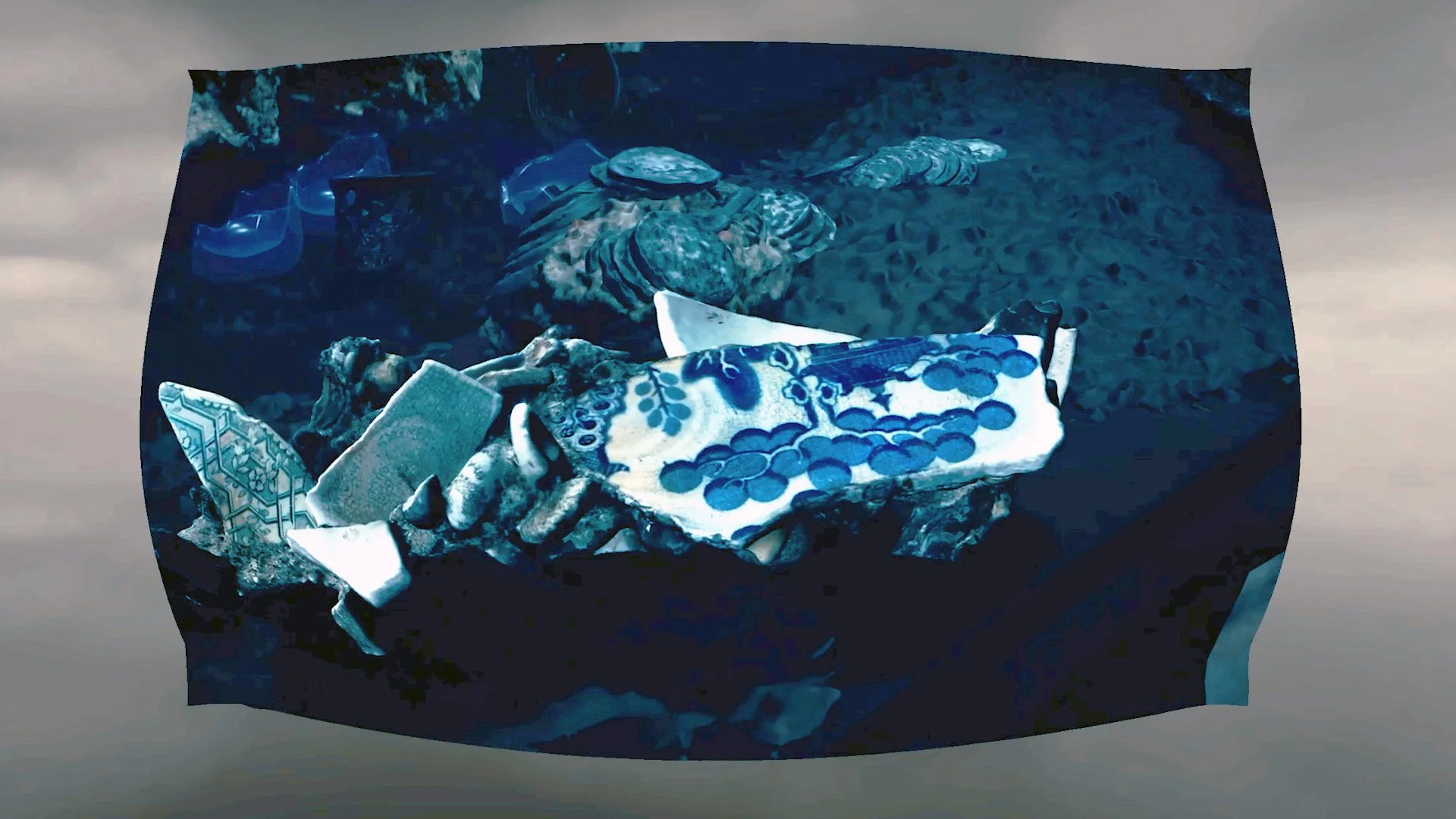
In the video Textures of Time (2025-6), an other-than-human gaze observes a Dutch still life in the opening scene, evoking the nature morte and vanitas painting traditions. At the crossroads of opulence, corrosion and abstraction, the piece charts a journey from imperial mapping to digital distortion, inviting reflection on the entanglements and clashes of human history, nature, and technology in shaping memory and meaning.
This video was filmed in a virtual environment created from VR-sculpted 3D models and 3D scanned objects from the Western Australia Shipwreck Museum’s collections. The music consists of excerpts from Unrest by [Indistinct voices over PA].
This was created as part of the Mobilising Dutch East India Company Collections for New Global Stories Project, an Australian Research Council Funded project and was exhibited at the Western Australia Shipwrecks Museum as part of the First Encounters: Artist Interventions with the VOC Shipwrecks exhibition.
“In the video Textures of Time (2025-6), the revived sail of Batavia, an infamous sunken 17th century Dutch East India Company vessel, reimagines a glimpse of the marine life and ecosystems at work beneath the ocean enveloping the shipwreck.”
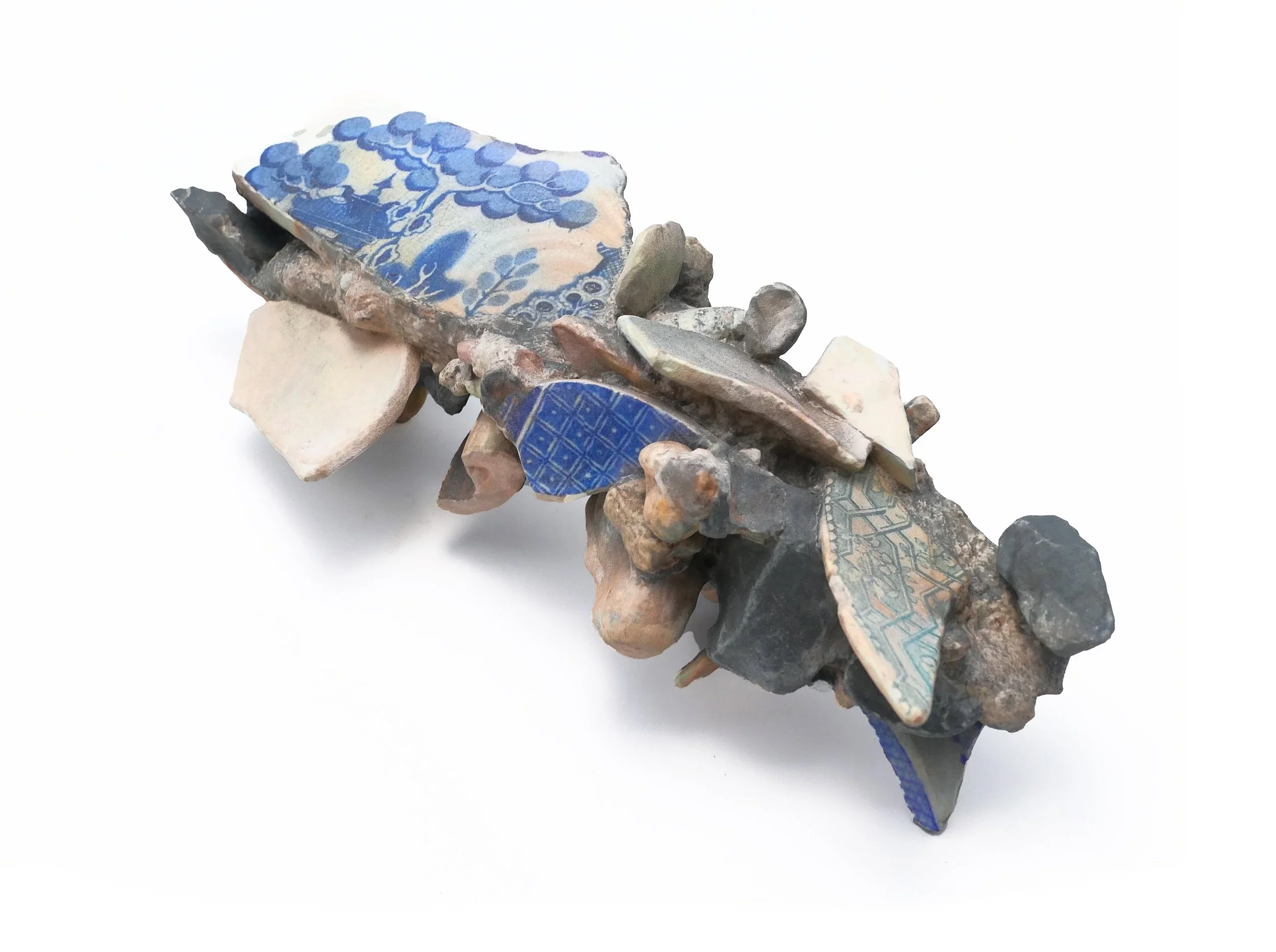
“Through the series of paintings produced for this show, I surface the deceptively flat 3D ‘computerized’ virtual space that lays behind the screens of our technological prosthesis as a hypothetical equivalent of Killian Quigley’s ecofact’s seafloor milieu, thus questioning how 3D objects may find themselves perceived as ecofacts in their turn, and with what effect.”
Relevant links and reviews:
Rare archives and objects inspire WA Shipwrecks Museum exhibition
First Encounters: Artist Interventions with the VOC Shipwrecks
Mobilising Dutch East India Company collections for new global stories
Musket balls in concretion: colonial violence and the paradox of luxury
Art Meets History in First Encounters at the WA Shipwrecks Museum, Seesaw Magazine