The Wayfinding Project (2016): Master navigators of Oceania explored and settled what Epeli Hau’ofa called the “sea of islands”—one third of the Earth’s surface—and developed astute skills of observation and deep knowledge of the ocean, sky, and cosmos. This long distance voyaging tradition was nearly lost under colonial rule. In 1976, under the teachings of Micronesian master navigator Mau Piailug, the Polynesian Voyaging Society built and set sail the Hōkūleʻa, a performance accurate Polynesian double-hulled voyaging canoe, thus launching a new era of Hawaiian Renaissance and Pacific cultural revival. On June 5, 2016, the Hōkūleʻa will arrive in New York City as part of a worldwide voyage with the intention to reactivate and revalue human relationship to Earth.
Inspired by the Polynesian Voyaging Society and the Lenape peoples, The Wayfinding Project is initiated by John Kuo Wei Tchen and the Asian/Pacific/American Institute at NYU, in collaboration with artist Beatrice Glow, to promote curiosity, research, and decolonize New York’s history. The project heeds this ancient wayfinding practice for environmental, cultural, and philosophical stewardship, towards exploring and documenting Lenape knowledge of Mannahatta, the pre-seventeenth century New York brimming with a diverse and dense geo-culture of land and waters.
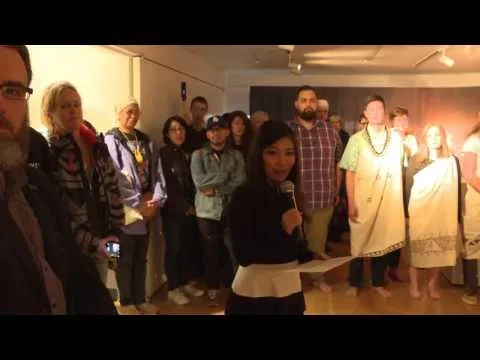
The Wayfinding Project is on view from March 25, 2016 to December 21, 2016 at Asian/Pacific/American Institute at NYU, Gallery, NY.
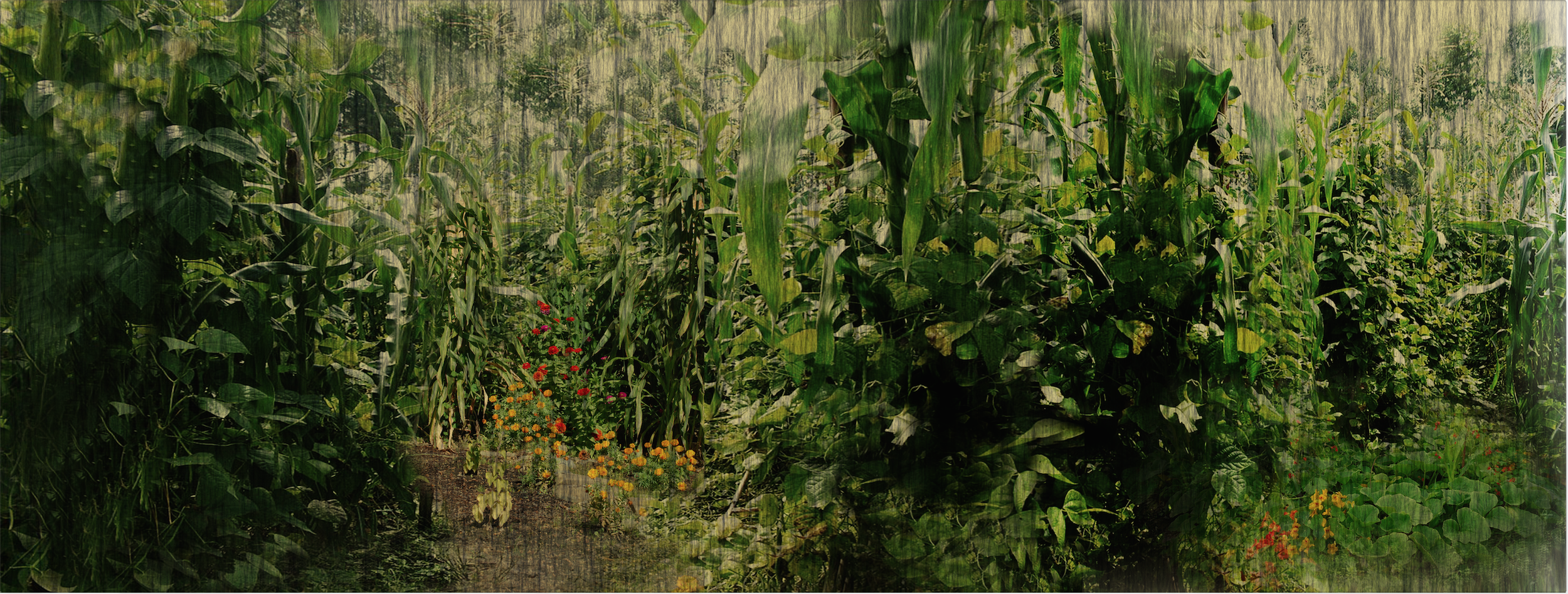
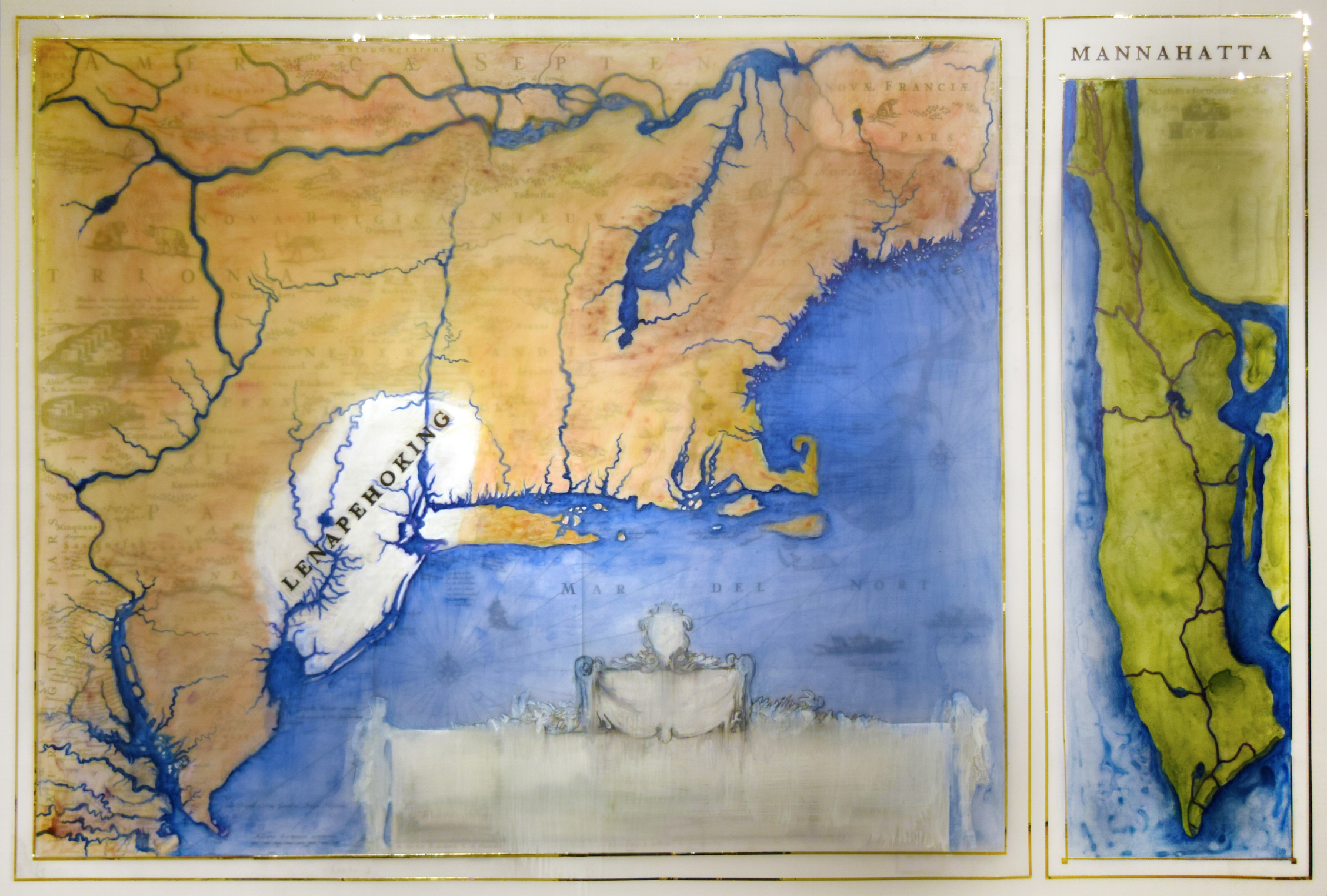
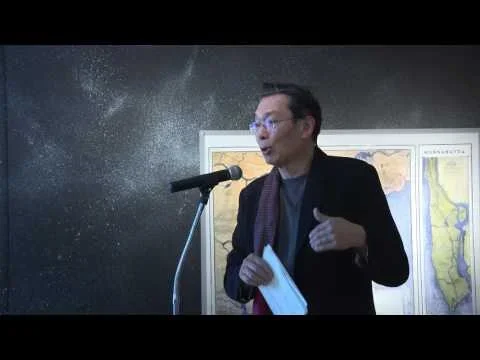
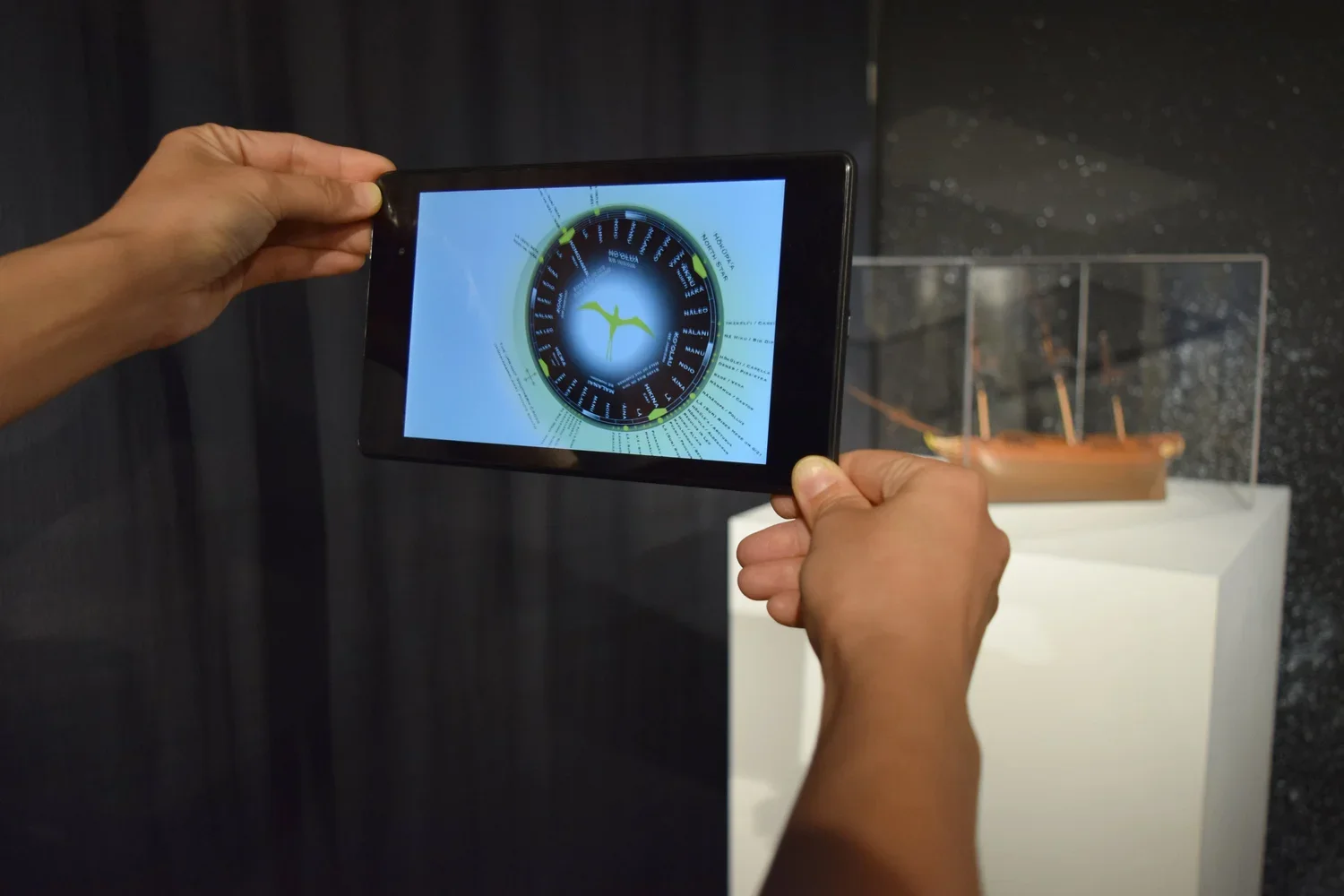
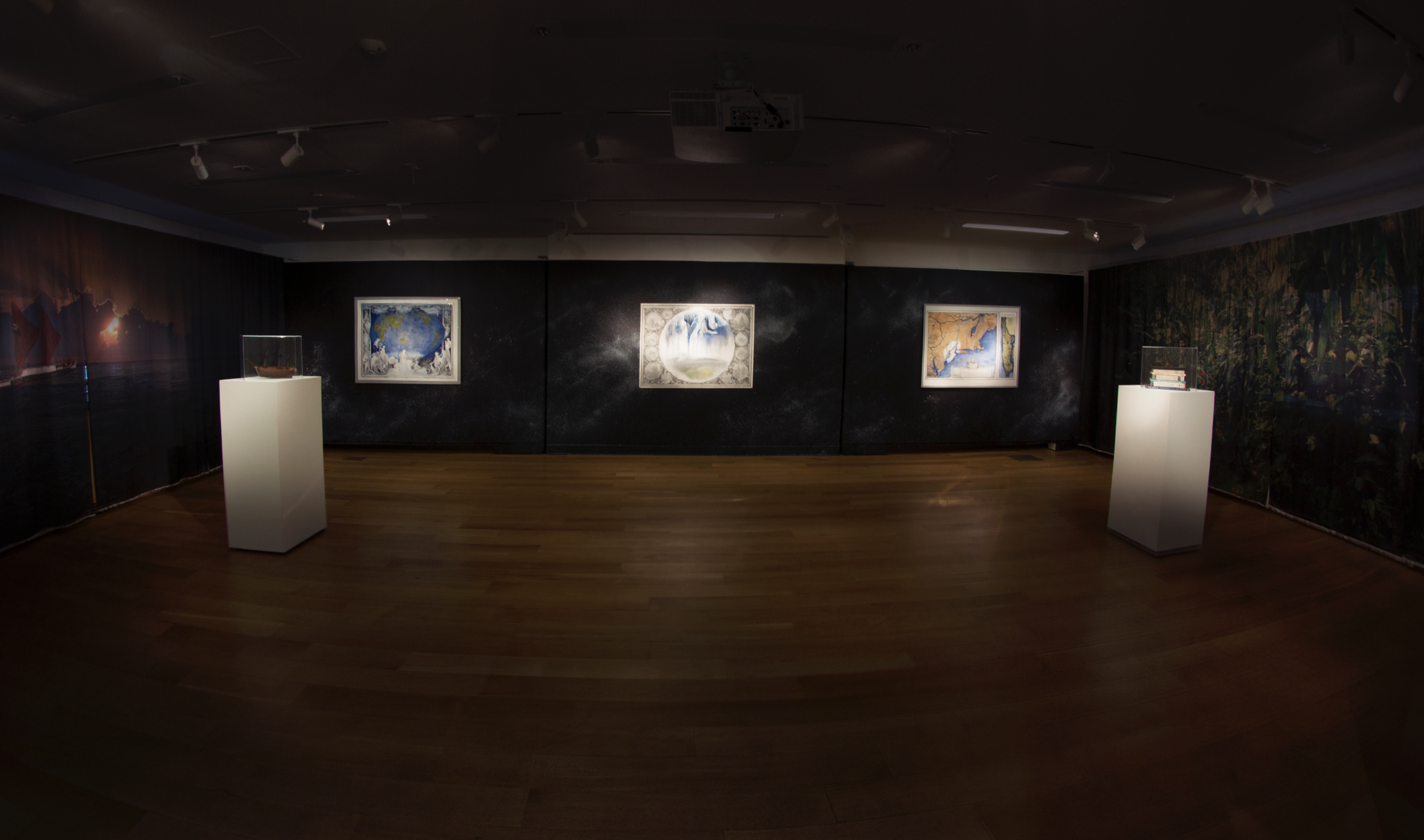
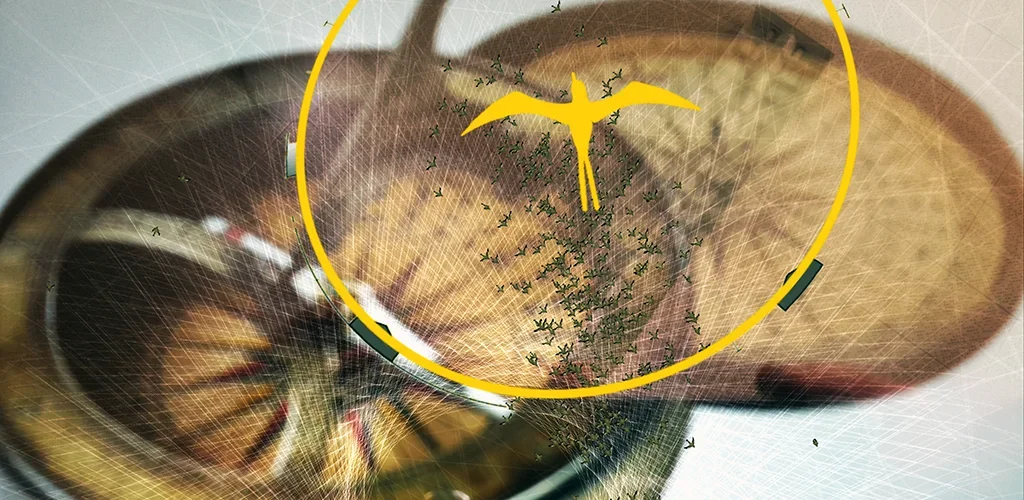
Beatrice Glow’s installation questions the representation of Indigenous cultures in relation to aesthetics of colonial history. The objects, paintings, and prints on view each have augmented reality features—videos, animations, sound media—that superimpose alternative visions to Eurocentric worldviews. On display are three paintings on mylar overlaying reproductions of British and Dutch colonial maps against the backdrop of a galactic mural, immersive digital fabric prints of Hōkūleʻa and a Native American Three Sister Garden, an HMS Bounty ship model, a replica of a 17th century compass, and books that reference a history of oceanic exploration.
In the spirit of collaboration, this exhibition doubles as a lab activated by research and dialogue led by Lenape and Pacific scholars, culture bearers, and communities, to piece together the surviving historical fragments of land dispossession, dislocation, and diasporas. The findings will inform the creation of additional augmented and virtual reality experiences that will contribute to the envisioning and shaping of an Indigenous futurism.