Aromerica Parfumeur (2016)
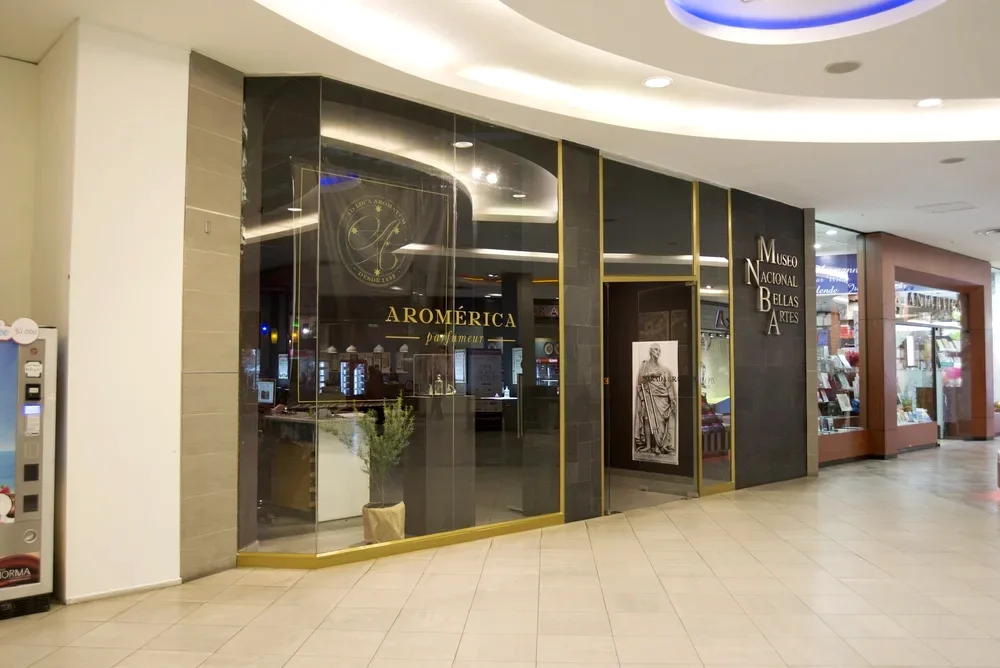
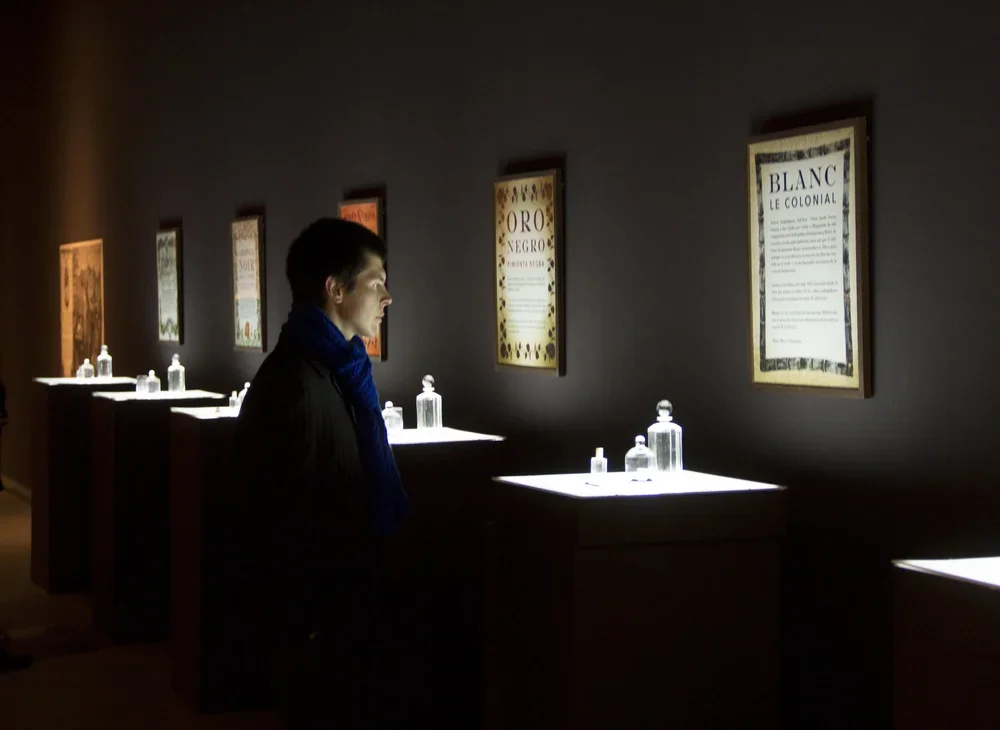
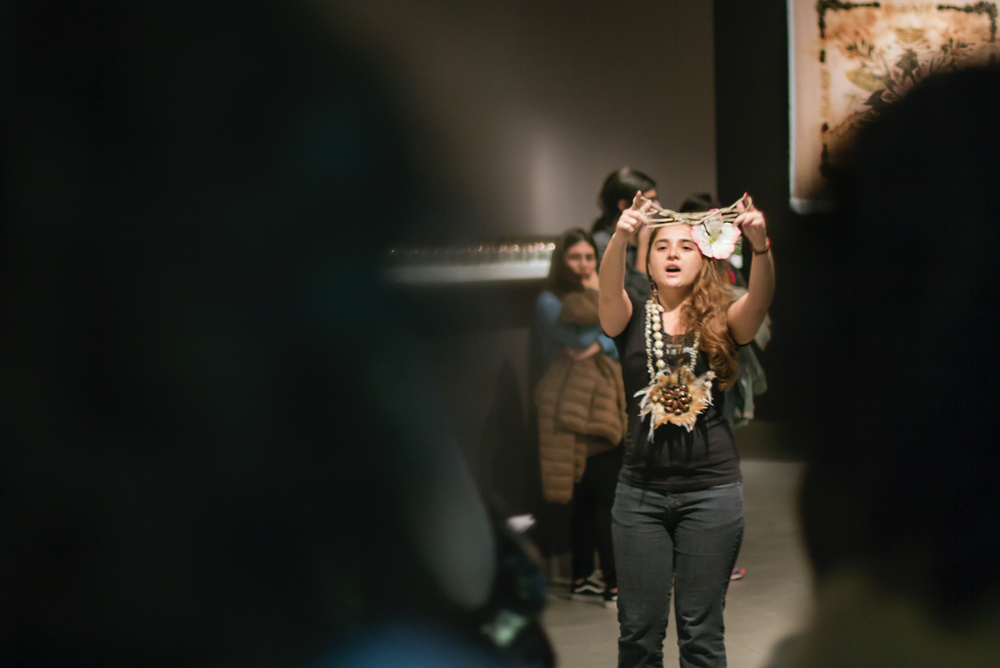
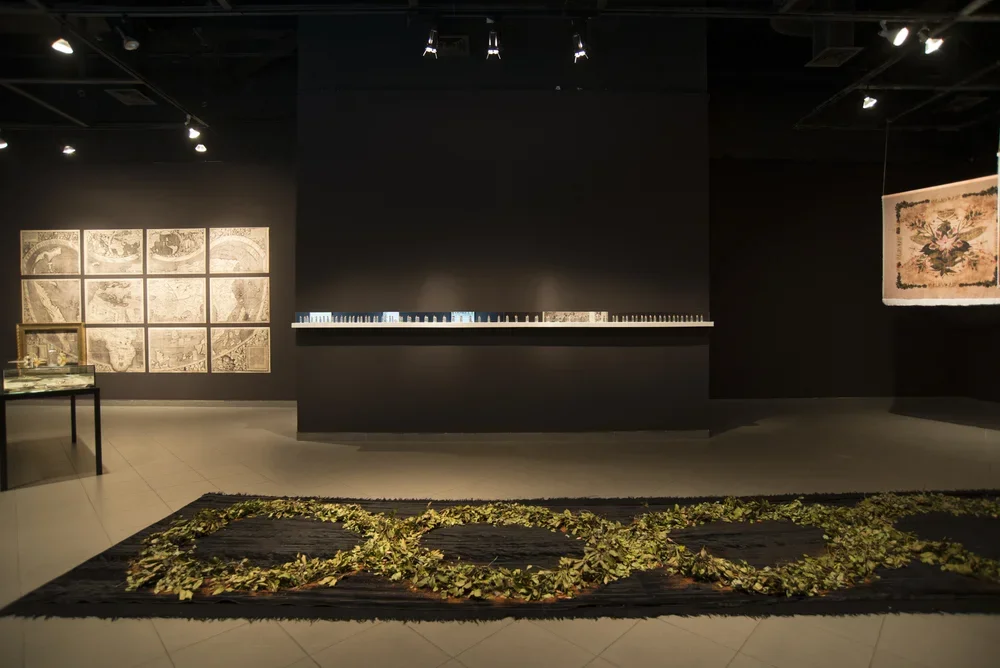
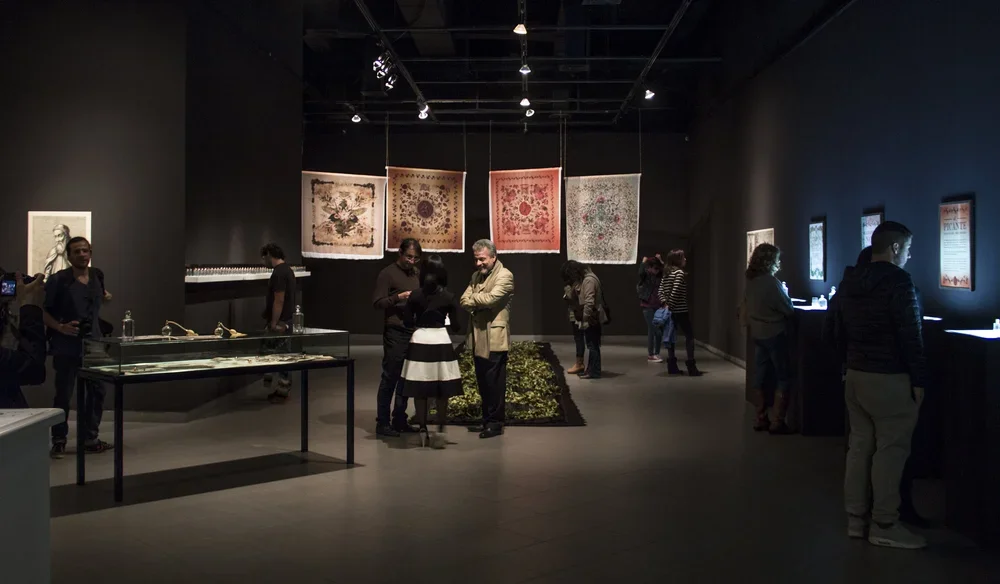
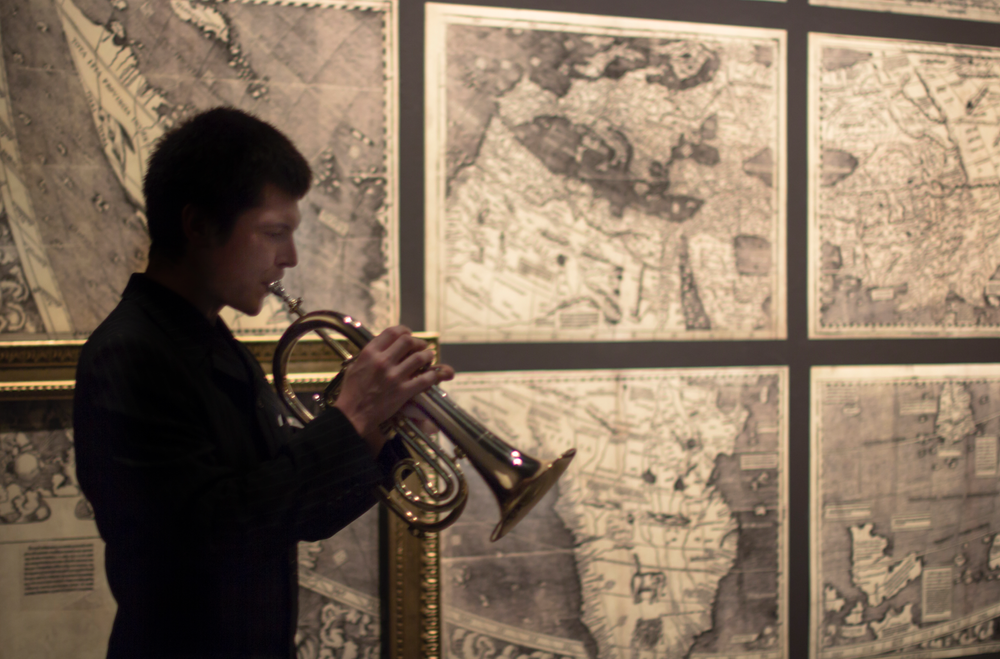
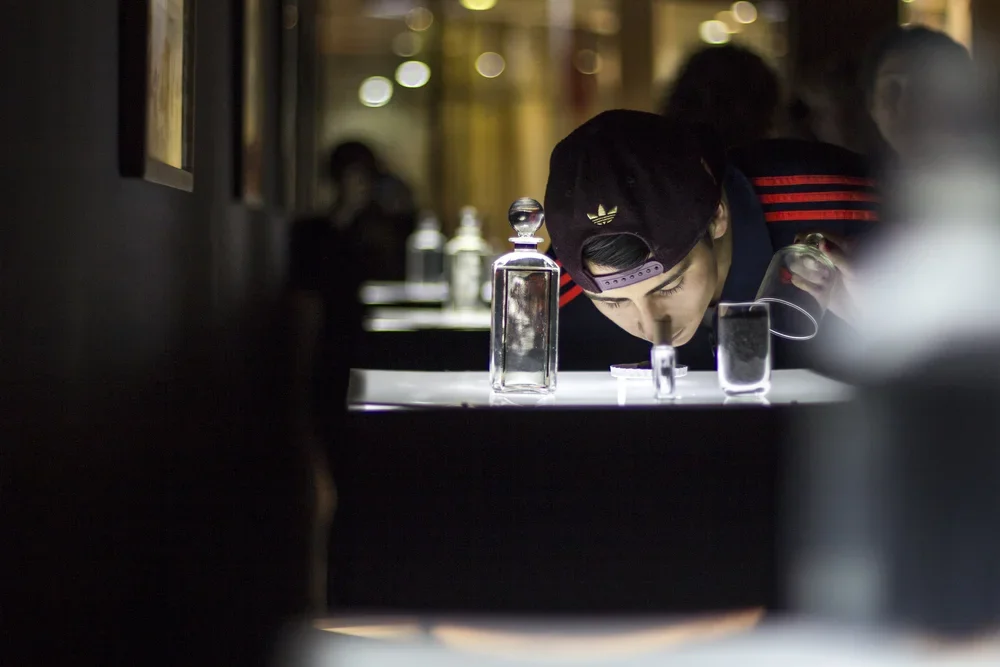
Situated within a commercial center (Sala de Arte Mall Plaza Vespucio del Museo Nacional de Bellas Artes de Chile), the exhibition Aromérica Parfumeur reveals how plants have shaped history during the bloody development of colonial commerce through an installation that appeals to the olfactory senses. The project underlines a parallel between how the imaginary, systemic violence and smell are invisible yet omnipresent.
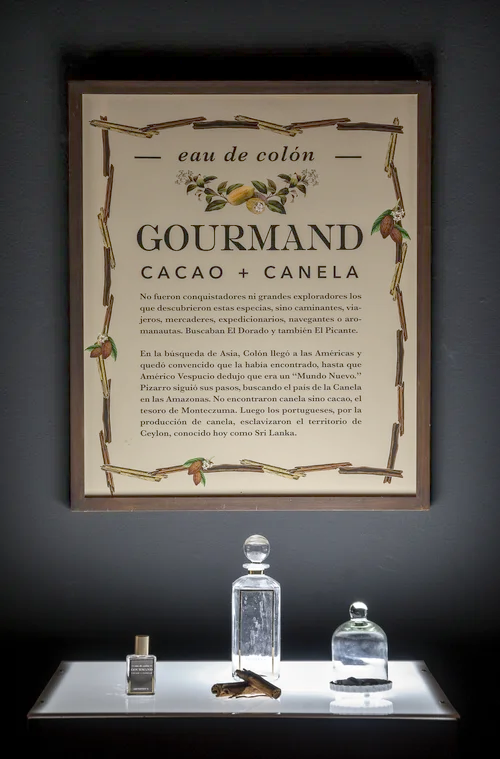
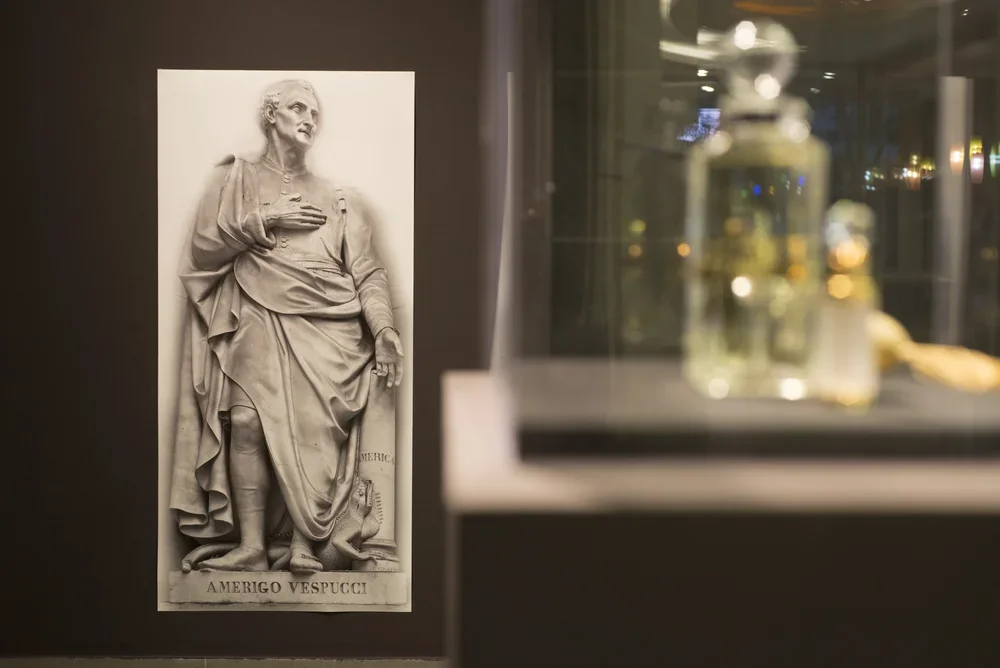
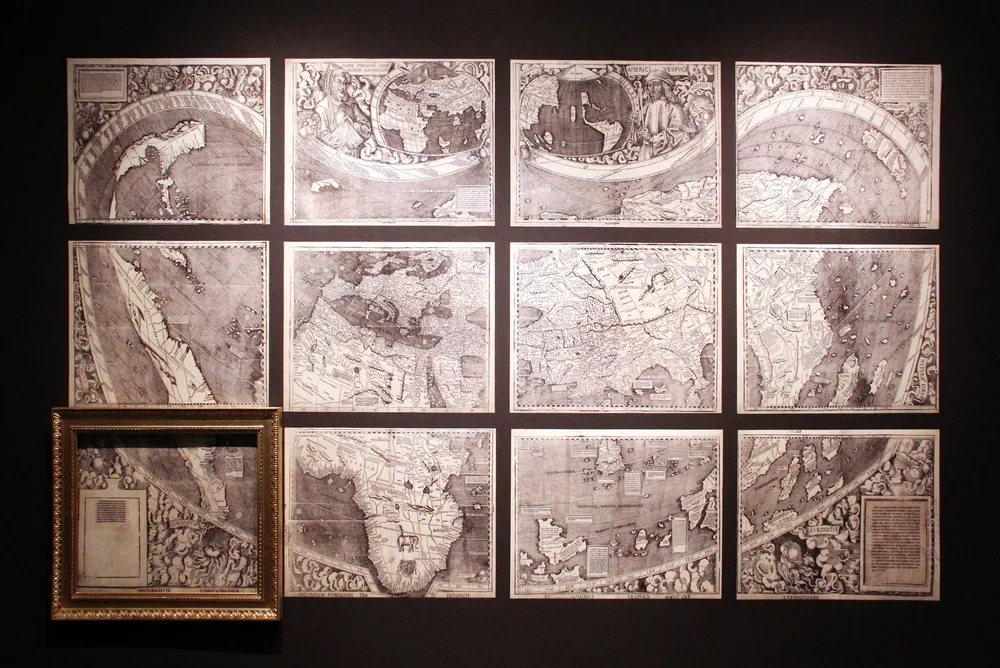
The installation takes on the form of a perfumery, while connecting the historic imaginary of the formation of the Americas through the search for the spices of Asia. The conquistadores were not only behind El Dorado (The Golden) and the Fountain of Eternal Youth, but also El Picante (The Spice) and the País de la Canela (Country of Cinnamon). Botanical social history shares an intimate relationship with globalization: the circumnavigation of the world led by Ferdinand Magellan was financed by a handful of cloves while Christopher Columbus stumbled upon the Americas in search of spices. Then, it was Amerigo Vespucci who declared the “radical” idea that a New World was “discovered.”
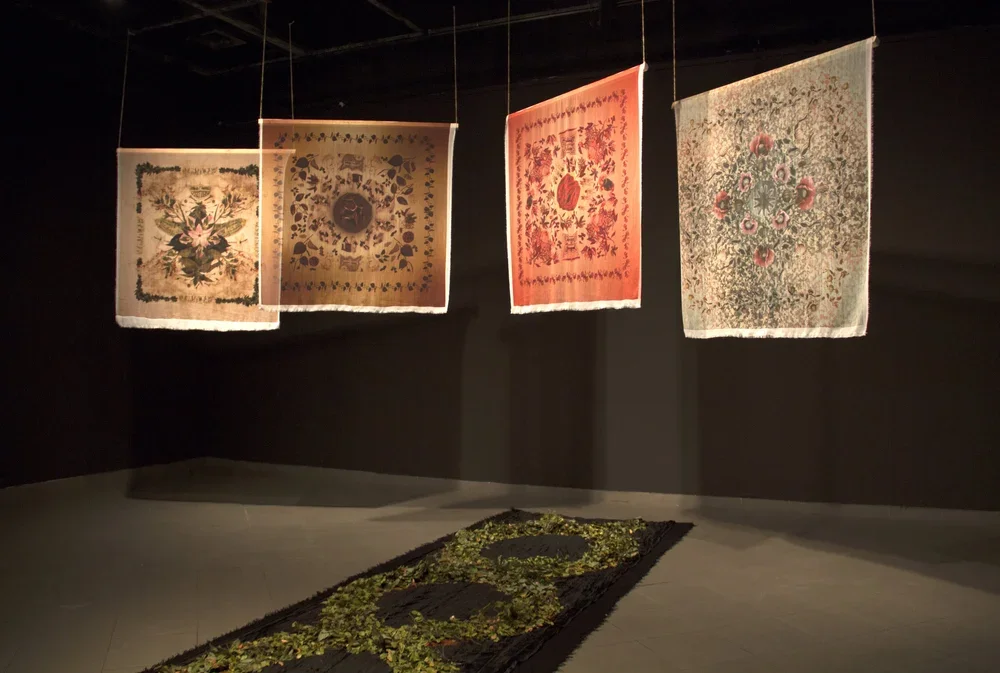
Perhaps one could say that spices such as nutmeg, cloves, cinnamon and black pepper were the petroleum of the 17th century. Globalization formalized when Asia, the Americas and Europe connected for the first time in 1565 through the Manila-Acapulco Galleon Trade, better known as “Nao de la China” or “Nao de Acapulco.” Through this commercial trade route between the Philippines, Mexico and Spain, Chinese luxury goods such as porcelain, silk and spices also began influencing the visual culture of the Americas. In reference to the development of globalization, the silk prints on view in the exhibition embed the social history of plants inside compositions inspired by the Manton de Manila.
The Museo sin Muros project is an initiative between the National Museum of Fine Arts and Mall Plaza’s chain of commercial centers that aims to extend the spaces of the National Museum to a larger and more diverse audience through temporary exhibitions of both patrimonial collections as well as representative artistic expressions of new trends.
“Perhaps one could say that spices such as nutmeg, cloves, cinnamon and black pepper were the petroleum of the 17th century. Globalization formalized when Asia, the Americas and Europe connected for the first time in 1565 through the Manila-Acapulco Galleon Trade, better known as “Nao de la China” or “Nao de Acapulco.” Through this commercial trade route between the Philippines, Mexico and Spain, Chinese luxury goods such as porcelain, silk and spices also began influencing the visual culture of the Americas.”
Special thanks:
Ñuke Mapu; Andy and Anne Guo; The family of Senaquerib Astudillo and Gabriela Amigo; Alejandro Pino Trompetista, músico y productor musical del Colectivo Mapocho; Alexandre Girardeau; Alexandra Chang, Curator of Special Projects and Director of Global Arts Exchange at the Asian/Pacific/American Institute at New York University; Joan Mitchell Foundation; Cristián García; Alex Bahamondes; Jodi Waynberg and Alessandro Facente at the LES Studio Program of Artists Alliance Inc; Delfina Curihuinca Huenchún y familia; David Akivi y Hiengel Muñoz; Luis Neira; Wave Hill Public Garden and Cultural Center.
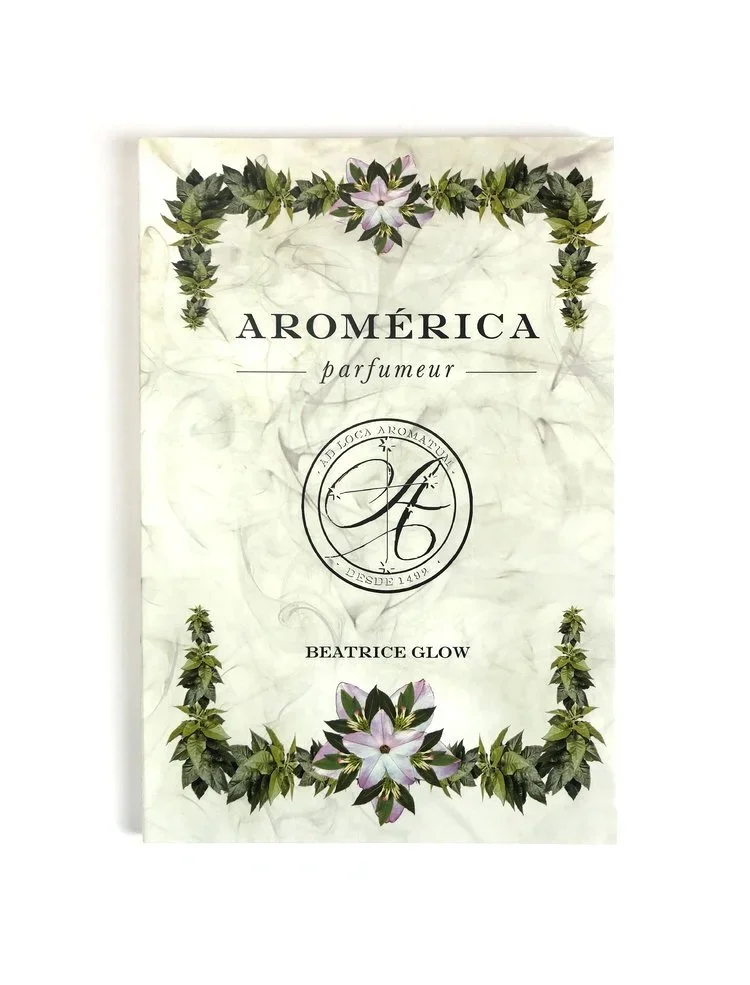
This artist book is a continuation of Aromérica Parfumeur, Beatrice Glow’s 2016 exhibition realized at the Museo Nacional de Bellas Artes de Santiago de Chile's Sala Vespucio and Beatrice Glow: Spice Roots/Routes, her 2017 exhibit at the James B. Duke House, Institute of Fine Arts, New York University. From staging a luxury perfume boutique in a commercial center to engaging with a story of American dynastic wealth, these works underline a parallel between how systemic violence and smell are invisible yet omnipresent.
The story begins in the early-modern period when spices magnetized us as a species to traverse unknown waters and lands. It then traces patterns of exploitation, wealth inequality and environmental degradation via the social history of plants to reveal the motivating force behind transnational networks of colonial conquests and commerce. By premising aromatic desire as the unlikely foundation of the Americas, the project stands in allyship with land-based cultural perspectives.
This artist book is a continuation of Aromérica Parfumeur, Beatrice Glow’s 2016 exhibition realized at the Museo Nacional de Bellas Artes de Santiago de Chile's Sala Vespucio and Beatrice Glow: Spice Roots/Routes, her 2017 exhibit at the James B. Duke House, Institute of Fine Arts, New York University. From staging a luxury perfume boutique in a commercial center to engaging with a story of American dynastic wealth, these works underline a parallel between how systemic violence and smell are invisible yet omnipresent.