This artist book is a continuation of Aromérica Parfumeur, Beatrice Glow’s 2016 exhibition realized at the Museo Nacional de Bellas Artes de Santiago de Chile's Sala Vespucio and Beatrice Glow: Spice Roots/Routes, her 2017 exhibit at the James B. Duke House, Institute of Fine Arts, New York University. From staging a luxury perfume boutique in a commercial center to engaging with a story of American dynastic wealth, these works underline a parallel between how systemic violence and smell are invisible yet omnipresent.
The story begins in the early-modern period when spices magnetized us as a species to traverse unknown waters and lands. It then traces patterns of exploitation, wealth inequality and environmental degradation via the social history of plants to reveal the motivating force behind transnational networks of colonial conquests and commerce. By premising aromatic desire as the unlikely foundation of the Americas, the project stands in allyship with land-based cultural perspectives.
This artist book is a continuation of Aromérica Parfumeur, Beatrice Glow’s 2016 exhibition realized at the Museo Nacional de Bellas Artes de Santiago de Chile's Sala Vespucio and Beatrice Glow: Spice Roots/Routes, her 2017 exhibit at the James B. Duke House, Institute of Fine Arts, New York University. From staging a luxury perfume boutique in a commercial center to engaging with a story of American dynastic wealth, these works underline a parallel between how systemic violence and smell are invisible yet omnipresent.
The story begins in the early-modern period when spices magnetized us as a species to traverse unknown waters and lands. It then traces patterns of exploitation, wealth inequality and environmental degradation via the social history of plants to reveal the motivating force behind transnational networks of colonial conquests and commerce. By premising aromatic desire as the unlikely foundation of the Americas, the project stands in allyship with land-based cultural perspectives.
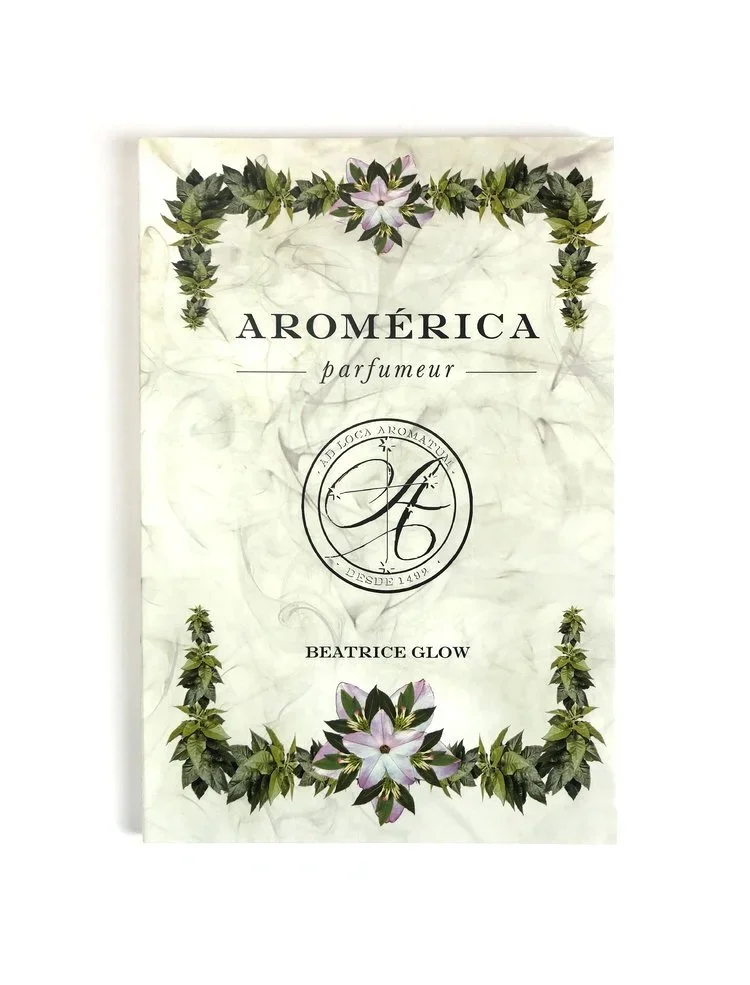 Image 1 of 8
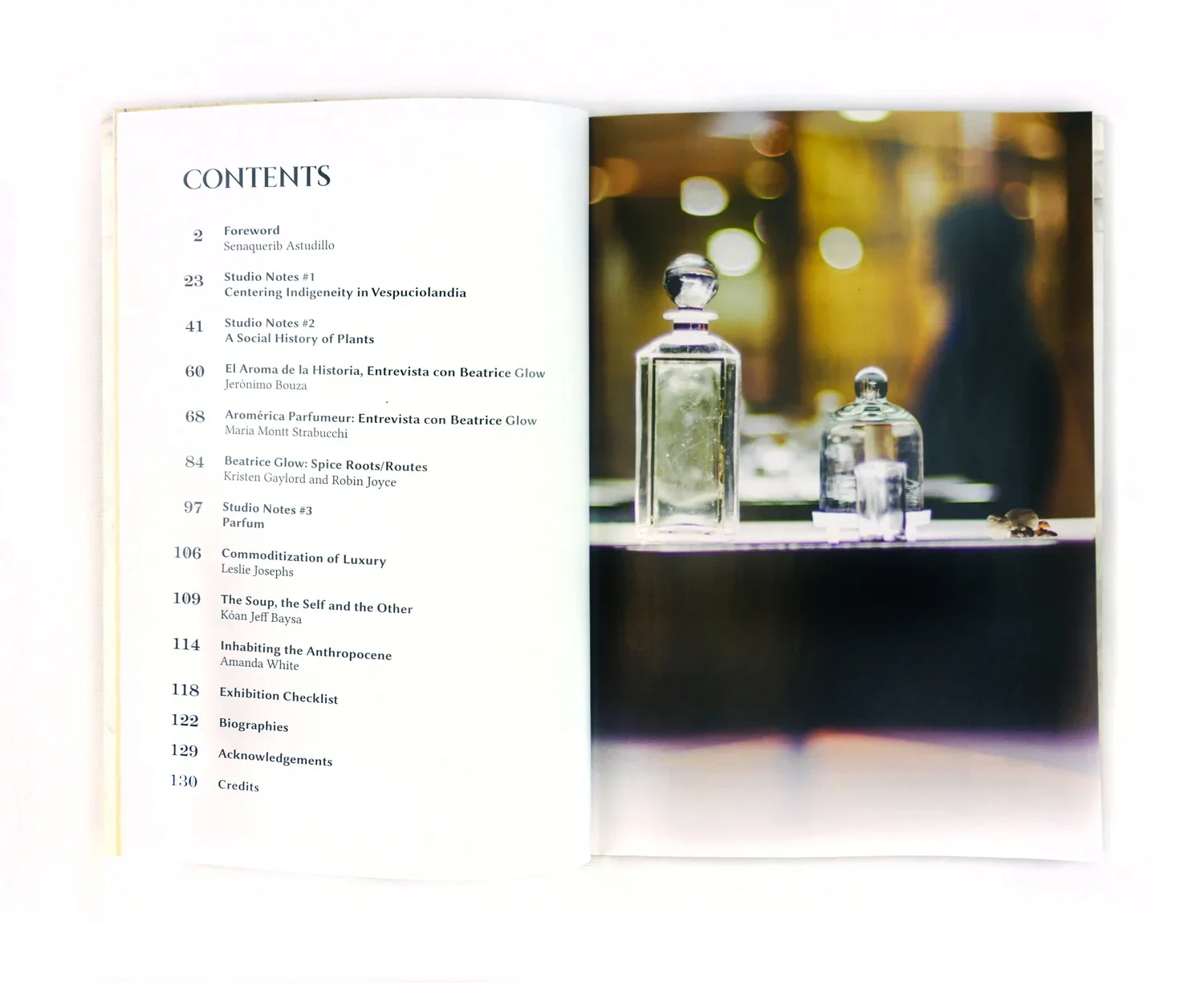 Image 2 of 8
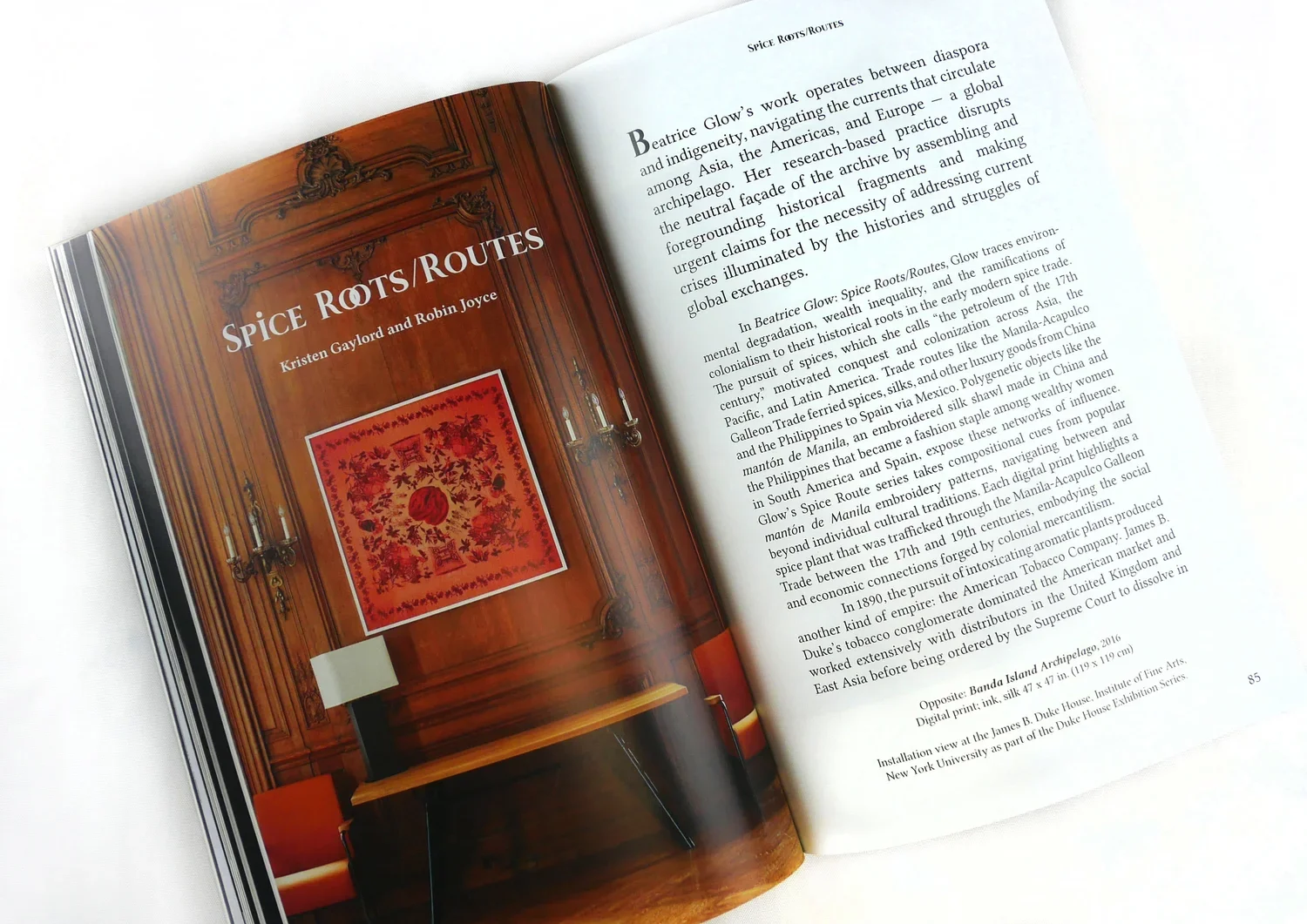 Image 3 of 8
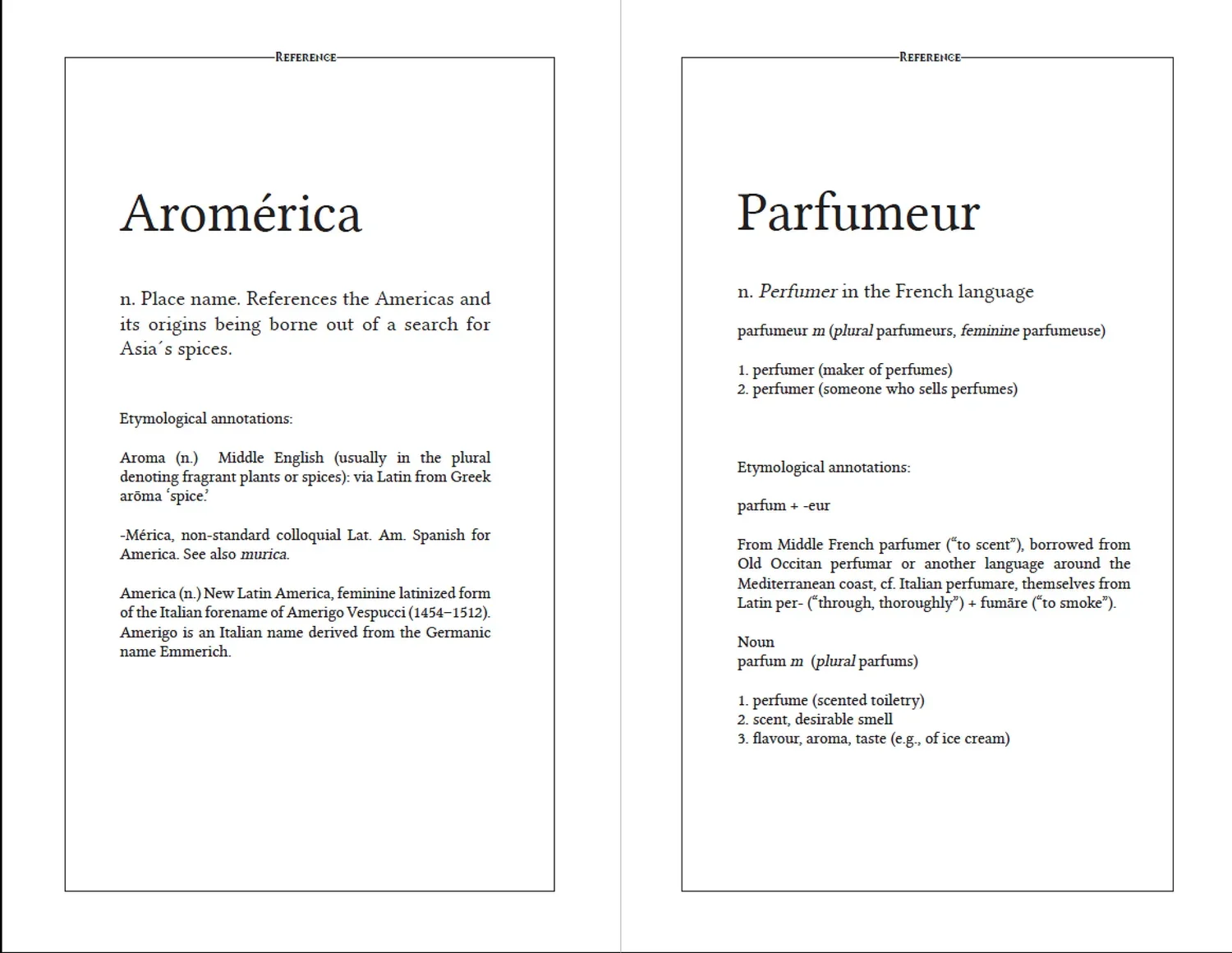 Image 4 of 8
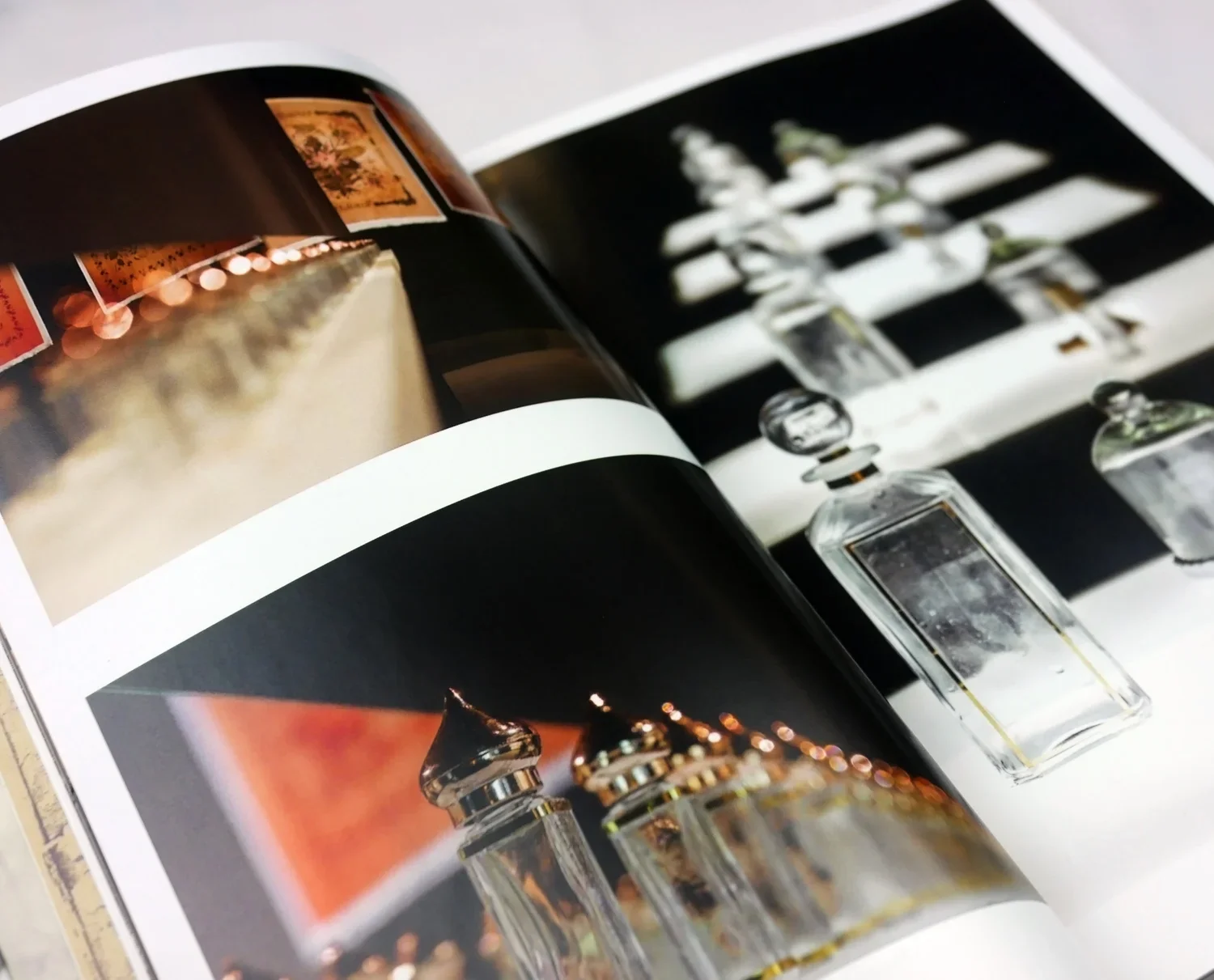 Image 5 of 8
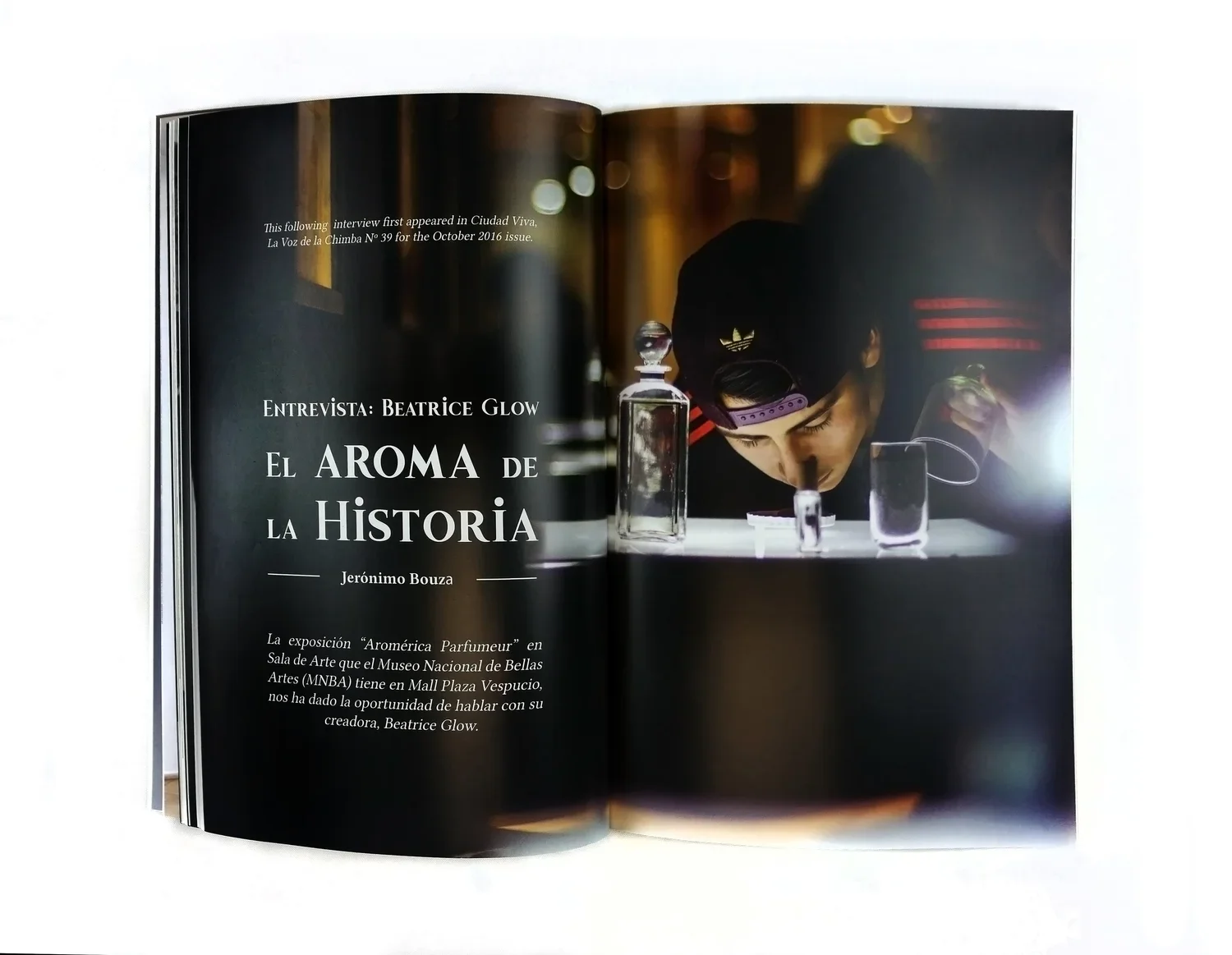 Image 6 of 8
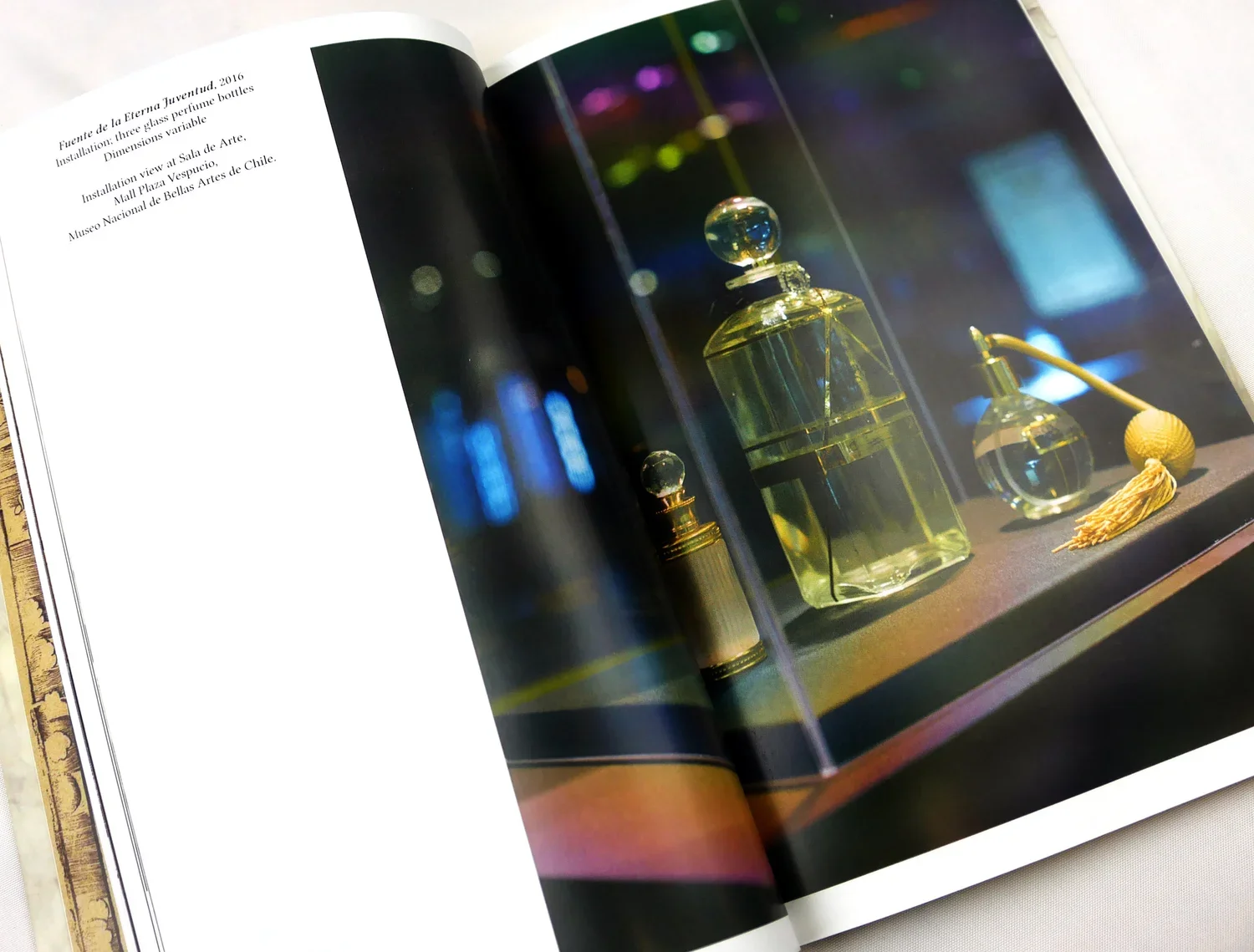 Image 7 of 8
 Image 8 of 8